

How do Chemical Inventory Systems Improve Lab Efficiency?
Managing chemical safety manually can drain valuable time and resources in any lab. In fact, research shows that

What is a Chemical Inventory Management System?
Introduction Chemical management is one of the most vital components in laboratories, manufacturing plants, research facilities, universities, and
Top 5 Differences Between MSDS and SDS You Must Know
The transition from Material Safety Data Sheets (MSDS) to Safety Data Sheets (SDS) represents a significant evolution in
OSHA and GHS Lab Inspection Checklist and Guide
This guide offers a comprehensive roadmap for laboratories to achieve and maintain compliance with critical safety regulations, specifically
How Inventory Systems Enhance Chemical Safety in Laboratories?
In every laboratory—whether it's part of a school, hospital, research facility, or industrial plant—chemical safety is non-negotiable. The
Top 5 Features to Look for in a Lab Inventory Management System
Introduction: Managing lab inventory efficiently is a critical task these days as it involves laboratory supplies, chemicals, reagents,

Butyl Hydroperoxide: Safety, Risks & Uses | Detailed Guide
Tert-Butyl Hydroperoxide (TBHP), with the chemical formula (CH₃) ₃COOH, is a widely utilized organic peroxide that serves as

How to Integrate Chemical Inventory With SDS Management Platforms: A Detailed Guide
The integration of chemical inventory management with Safety Data Sheet (SDS) management platforms represents a critical advancement in
What Kind of Reporting and Analytics do Lab Managers Actually Need?
Lab managers need access to more than just SDS or chemical inventory reports—they require a complete overview of
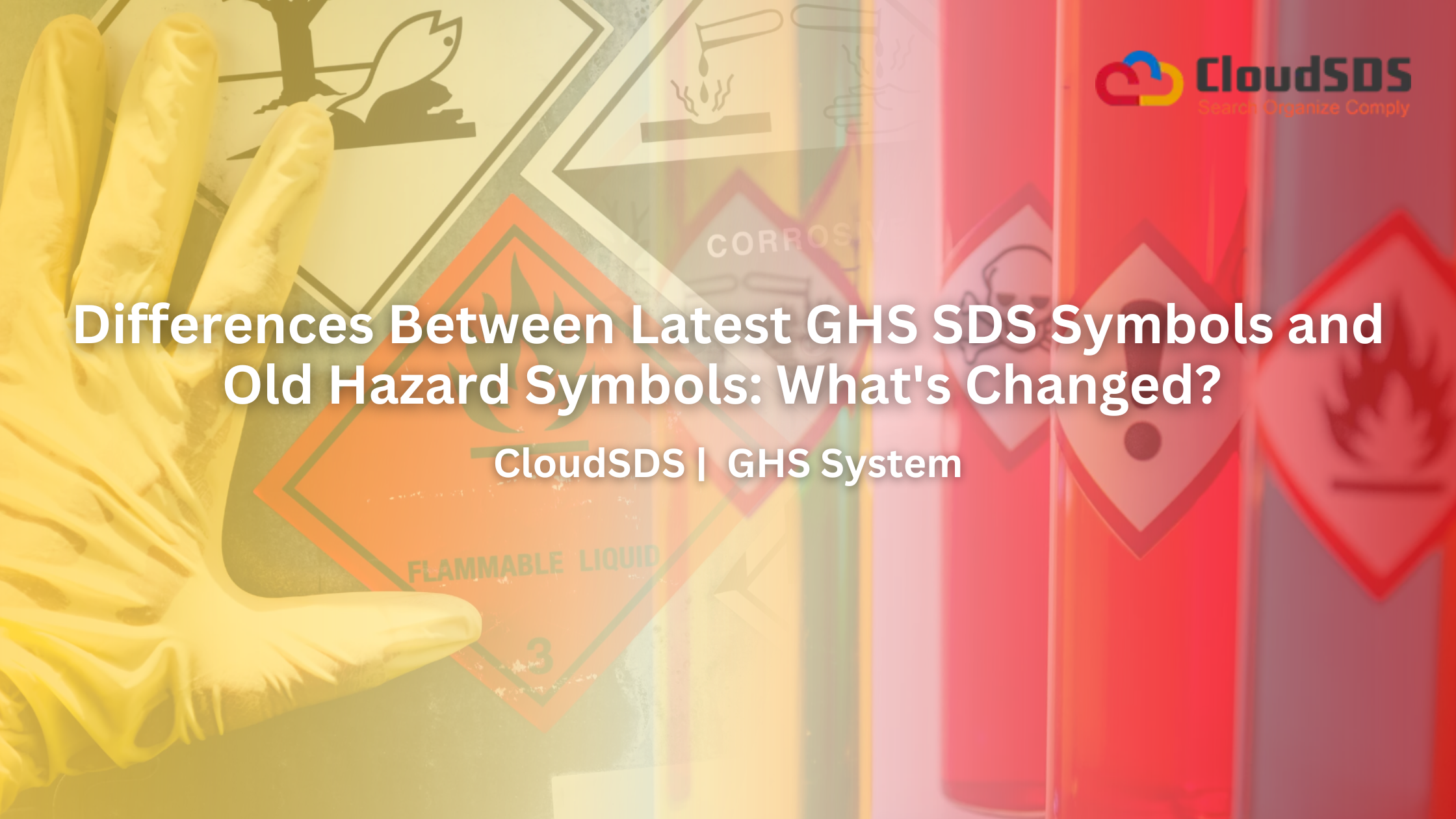
Differences Between Latest GHS SDS Symbols and Old Hazard Symbols: What’s Changed?
The transition from old hazard symbols to the modern Globally Harmonized System (GHS) represents one of the most