 Skip to content

Authentic and compliance-ready safety data sheets (SDSs) are necessary for all organizations that handle chemical products. These are standardized documents that explain chemical hazards, safe handling practices, storage requirements, emergency response measures, and regulatory information. Regulatory bodies like OSHA and REACH require SDSs to ensure that anyone working with hazardous substances understands the risks involved and knows how to manage them safely.
Beyond compliance, SDSs play a central role in hazard communication. They act as the single source of truth for employees, safety officers, emergency responders, and medical teams. When a spill occurs, a worker is exposed, or a fire breaks out; the SDS provides immediate guidance on first aid, personal protective equipment (PPE), and containment procedures. In short, SDSs bridge the gap between chemical data and real-world safety decisions, helping organizations prevent injuries, environmental damage, and costly downtime.
However, when SDSs are missing, outdated, or hard to access, they quietly introduce serious workplace risks. Changes in chemical formulations, updated hazard classifications, or new regulatory limits may not be reflected in old SDS versions. Employees may unknowingly use incorrect PPE, store incompatible chemicals together, or respond incorrectly during an emergency. These gaps often go unnoticed until an incident exposes them by then; the damage may already be done.
Real-world incidents highlight the consequences of poor SDS management. Investigations into chemical burns, toxic exposures, fires, and even fatalities frequently reveal missing or outdated SDSs as a contributing factor. In many cases, workers were unaware of newly identified health hazards or proper emergency procedures because the SDS had not been updated or shared. These incidents show that SDS management is not just a paperwork requirement. It is a critical safety control that directly impacts lives, compliance, and business continuity.
The consequences of missing or outdated SDSs can be severe. Without understanding these risks in detail, organizations cannot prepare effectively or put the right safety controls in place. Continue reading this blog to gain a clear, practical understanding of how outdated or missing SDSs impact workplace safety, regulatory compliance, and overall operations.
What Counts as Missing or Outdated SDS?
An SDS is considered missing when it is not available at all for a hazardous chemical or when employees cannot access it at the point of use. Even if an SDS exists somewhere in the organization, it is effectively “missing” if workers must search through emails, paper binders, or shared drives during an emergency. Safety regulations require SDSs to be readily accessible, not just stored for audit purposes. When employees cannot quickly find hazard, PPE, or first-aid information, the risk of improper handling and delayed emergency response increases significantly.
An SDS becomes outdated or inadequate when it fails to reflect current hazard information, regulatory updates, or applicable regional standards. This includes SDSs based on old GHS classifications, outdated exposure limits, or superseded regulatory references. Using an SDS written for the wrong region, such as a US OSHA SDS in an EU or Indian workplace, can lead to non-compliance and incorrect safety practices. Incomplete or inaccurate supplier-provided SDSs also fall into this category, especially when critical sections like hazard identification, composition, or emergency measures are missing or unclear. Together, these issues undermine hazard communication and create serious safety and compliance gaps.
Regulatory Consequences and Legal Penalties
1. OSHA HazCom Violations
In the United States, OSHA’s Hazard Communication Standard (29 CFR 1910.1200) clearly requires employers to maintain a complete, accurate, and accessible SDS for every hazardous chemical in the workplace. SDSs must be readily available to employees during their work shifts and must reflect the current hazard classification and safety information. When SDSs are missing, outdated, or inaccessible, OSHA treats this as a direct violation of hazard communication requirements.
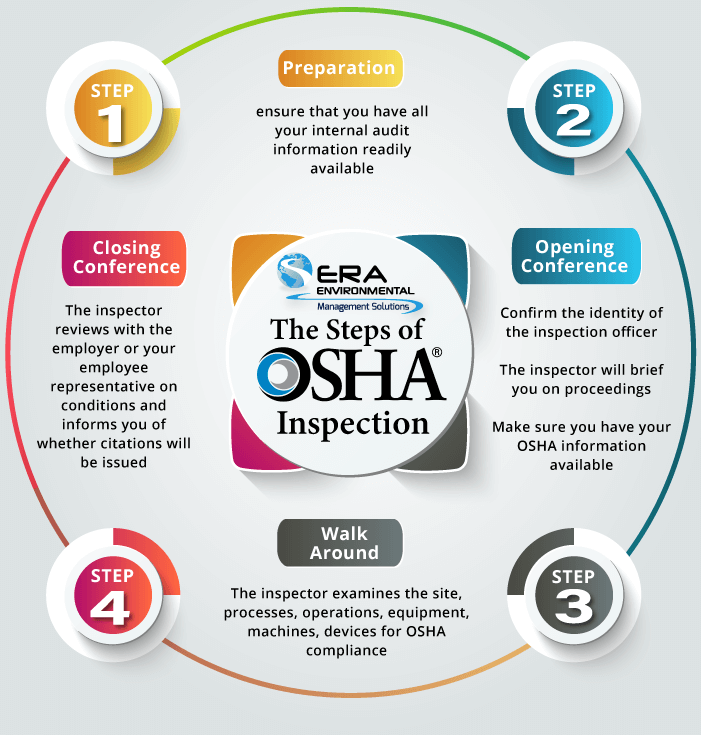
Common OSHA citations related to SDS management include failure to maintain SDSs, outdated or incorrect hazard classifications, lack of employee access, and incomplete SDS sections. These violations often surface during inspections following accidents, complaints, or routine audits. Penalties can range from warnings and fines to significant monetary penalties for repeated or willful violations. Enforcement trends show increasing scrutiny of documentation accuracy and digital access, especially in industries handling high-risk chemicals, laboratories, and manufacturing environments.
2. Global Regulations
Beyond OSHA, global regulations impose similar but region-specific SDS requirements. In the European Union, REACH and CLP regulations mandate that SDSs follow strict formatting, language, and classification rules aligned with EU GHS standards. An SDS compliant in the US may still be non-compliant in the EU if it lacks required exposure scenarios or uses outdated classifications. In Canada, WHMIS requires SDSs to be updated regularly and made accessible in both English and French, depending on the workplace.
In India, regulatory bodies such as FSSAI and the Factories Act require proper chemical safety documentation, especially in food processing, manufacturing, and industrial settings. For food, pharmaceutical, and life sciences industries, FDA and FSMA regulations emphasize accurate chemical hazard documentation to prevent contamination, worker exposure, and supply chain risks. Non-compliance across these frameworks can lead to fines, operational shutdowns, import/export restrictions, and reputational damage.
3. Legal Liability
Regulatory penalties are only one part of the risk. Missing or outdated SDSs significantly increase an organization’s legal exposure. If a worker is injured due to improper handling of a chemical and it is later found that the SDS was missing or inaccurate, employers may face worker injury lawsuits or compensation claims. Courts often view inadequate hazard communication as negligence, especially when updated safety information was available but not implemented.
Organizations may also face product liability claims if inaccurate SDSs are shared with downstream users, leading to injuries, fires, or environmental damage. In cases involving chemical spills, contamination, or improper disposal, outdated SDSs can contribute to environmental litigation and cleanup liability. These legal consequences often extend beyond fines, affecting long-term business continuity, insurance costs, and brand credibility, making robust SDS management a legal necessity, not just a compliance task.
Worker Safety Risks
-
Employees Unaware of Hazards
When SDSs are missing or outdated, employees may not fully understand the hazards associated with the chemicals they work with. Critical information about toxicity, flammability, reactivity, and long-term health effects may be unclear or inaccurate. This lack of awareness often leads workers to underestimate risks, increasing the chances of unsafe behavior during routine handling and maintenance tasks.
-
Improper PPE Selection
SDSs provide clear guidance on the type of personal protective equipment required for safe chemical use. Outdated or missing SDSs can result in employees choosing incorrect gloves, respirators, or eye protection or not using PPE at all. Inadequate PPE significantly increases the risk of chemical burns, respiratory exposure, skin irritation, and chronic health conditions caused by repeated exposure.
-
Incorrect Handling, Storage, and Disposal
Proper handling, storage, and disposal instructions are essential to prevent chemical accidents. Without accurate SDS information, employees may store incompatible chemicals together, use unsafe transfer methods, or dispose of hazardous substances improperly. These mistakes can trigger spills, fires, toxic releases, and environmental contamination, putting both workers and facilities at risk.
-
Increased Chemical Exposure Incidents
Missing or outdated SDSs often result in unclear exposure limits, ventilation requirements, and safe work practices. As a result, workers may be exposed to harmful chemicals for longer periods or at higher concentrations than recommended. Over time, this increases the likelihood of acute injuries, occupational illnesses, and long-term health effects.
-
Emergency Response Delays
In emergency situations, SDSs are a critical source of information for spill response, firefighting measures, and first aid. If SDSs are unavailable or outdated, emergency responders and medical personnel may lose valuable time determining the correct response. These delays can worsen injuries, escalate incidents, and increase overall harm to people and property.
Emergency Response Failures
-
Firefighters and First Responders Rely on SDS
During a chemical emergency, firefighters and first responders depend heavily on SDSs to understand the nature of the substance involved. SDSs provide critical details such as flammability, reactivity, toxic byproducts, and suitable firefighting methods. When SDSs are missing or outdated, responders may enter a scene without knowing the full scope of the hazard. This may increase the risk of injury and limit their ability to control the situation safely and effectively.
-
Incorrect Spill Response Procedures
SDSs outline the correct procedures for containing and cleaning up chemical spills, including the use of absorbents, neutralizing agents, and protective equipment. Without accurate SDS information, workers and emergency teams may apply incorrect spill response methods, potentially causing dangerous chemical reactions or wider contamination. An improper response can turn a manageable spill into a major safety and environmental incident.
-
Delayed First Aid and Medical Treatment
Immediate access to SDSs is essential for providing proper first aid and medical treatment following chemical exposure. SDSs specify symptoms, exposure routes, and appropriate medical interventions. If this information is unavailable or outdated, first responders and medical personnel may lose critical time identifying the right treatment.
-
Escalation of Chemical Incidents
When emergency response efforts are delayed or misinformed due to missing or outdated SDSs, chemical incidents can escalate rapidly. Small spills can spread, fires can intensify, and toxic exposures can affect more people and larger areas. What could have been a contained event may evolve into a full-scale emergency, leading to greater harm, higher cleanup costs, and prolonged operational shutdowns.
Operational and Business Impacts
-
Production Downtime
Missing or outdated SDSs can directly lead to production downtime, especially during regulatory inspections or internal audits. If inspectors find gaps in SDS availability or accuracy, operations may be partially or fully shut down until compliance issues are resolved. These shutdowns disrupt schedules, delay deliveries, and increase operational costs. In addition, chemical incidents linked to poor SDS management often trigger formal investigations, during which affected processes may be halted.
-
Supply Chain Disruptions
SDS compliance plays a critical role in supply chain continuity. Many suppliers and logistics partners require accurate, up-to-date SDSs as part of their safety and compliance checks. Failing supplier audits due to missing or outdated SDSs can result in suspended contracts, delayed shipments, or loss of approved vendor status. Customers, particularly in regulated industries like pharmaceuticals, food, and manufacturing, also impose strict compliance requirements. Inability to provide compliant SDSs on demand can lead to rejected shipments, canceled orders, and damaged business relationships.
-
Recall and Product Safety Issues
Outdated or inaccurate SDSs increase the risk of incorrect labeling and hazard classification, which can mislead downstream users about product risks. When discrepancies are discovered through audits, customer complaints, or regulatory reviews, organizations may be forced to correct labels, update documentation, or withdraw products from the market. In regulated industries, this can escalate into formal regulatory product recalls, resulting in financial losses, reputational damage, and loss of customer trust. These issues highlight how SDS management directly impacts not just safety but overall product integrity and brand credibility.
Financial Consequences
-
Regulatory Fines and Penalties
Missing or outdated SDSs often result in direct financial penalties from regulatory authorities. Safety regulators treat SDS non-compliance as a serious violation because it undermines hazard communication and worker protection. Fines can vary based on the severity of the violation, the number of chemicals involved, and whether the issue is repeated or willful.
-
Legal Settlements and Compensation
When chemical incidents lead to worker injuries, environmental damage, or third-party exposure, inadequate SDS management can strengthen legal claims against the organization. Courts may view missing or outdated SDSs as evidence of negligence or failure to meet the duty of care. This can result in costly legal settlements, compensation payouts, and extended litigation expenses, even if the incident itself was unintentional.
-
Insurance Premium Increase
Insurance providers closely evaluate an organization’s safety practices when determining coverage and premiums. A history of chemical incidents, regulatory violations, or compliance gaps related to SDSs can lead insurers to increase premiums or impose stricter policy terms. In some cases, inadequate documentation may even limit coverage, forcing organizations to absorb more risk and cost directly.
-
Cost of Incident Remediation and Cleanup
Chemical incidents often require extensive remediation efforts, including spill containment, hazardous waste disposal, environmental cleanup, and equipment repair or replacement. When SDS information is missing or outdated, response efforts may be delayed or ineffective. This may increase the scope and cost of cleaning up. These remediation expenses, combined with operational downtime and reputational damage, can far exceed the cost of maintaining accurate, up-to-date SDSs.
Reputational and Brand Damage
-
Loss of Customer Trust
Customers expect organizations that handle chemicals to prioritize safety, compliance, and transparency. When incidents occur due to missing or outdated SDSs, customer confidence can quickly erode. Clients may question whether the company can reliably manage risks, protect workers, and deliver safe products. Once trust is lost, it becomes difficult to rebuild, often resulting in reduced repeat business and long-term revenue impact.
-
Negative Media Coverage
Chemical incidents, regulatory violations, or product recalls linked to poor SDS management can attract unwanted media attention. News reports and industry publications often highlight safety failures, which can damage a company’s public image far beyond the immediate incident. Negative coverage tends to linger online, affecting brand perception among customers, partners, and potential employees.
-
Investor and Stakeholder Concerns
Investors and key stakeholders closely monitor how organizations manage operational and regulatory risks. Compliance failures and safety incidents raise red flags about governance, risk management, and long-term stability. This can lead to increased scrutiny, hesitation in future investments, or pressure to implement costly corrective measures.
-
Loss of Certifications and Contracts
Many industries require certifications related to safety, quality, and environmental management to maintain contracts and market access. Missing or outdated SDSs can result in failed audits, suspension of certifications, or termination of supplier agreements. Losing these credentials not only disrupts current operations but can also limit future business opportunities and competitive positioning.
Compliance and Audit Failures
-
Internal EHS Audit
Internal Environment, Health, and Safety (EHS) audits are designed to identify risks and compliance gaps before they lead to incidents or regulatory action. Missing or outdated SDSs are among the most common findings in these audits. When SDSs are not easily accessible, properly version-controlled, or aligned with current regulations, it signals weak hazard communication practices. These gaps often require immediate corrective actions, additional training, and follow-up audits, increasing the workload for EHS and compliance teams.
-
ISO 45001 and ISO 14001 Compliance Gaps
ISO 45001 and ISO 14001 standards require organizations to identify hazards, manage risks, and provide accurate safety information to employees. When SDSs are incomplete or outdated, these requirements are not met. During ISO audits, this can lead to audit findings, delays in certification, or even loss of ISO certification. As a result, the organization may appear unprepared or unreliable in managing workplace safety and environmental risks.
-
Customer and Third-Party Audits
Many customers review their suppliers to ensure they follow safety and regulatory rules. Updated and accurate SDSs are often a basic requirement during these audits. If a company cannot provide compliant SDSs, it may fail the audit, lose its approved supplier status, or have contracts canceled. For businesses working in regulated industries, this can interrupt operations and reduce access to key markets.
-
GMP and HACCP Audit Failure
Industries like pharmaceuticals, food processing, and life sciences must strictly control chemical risks under GMP and HACCP standards. Missing or outdated SDSs are often seen as serious issues during these audits because they affect worker safety, contamination control, and product quality. Audit failures can lead to mandatory corrective actions, closer regulatory monitoring, or temporary shutdowns until the problems are fixed.
Environmental Risks
-
Improper Disposal Leading to Contamination
SDSs provide clear instructions on how chemicals should be handled, stored, and disposed of safely. When SDSs are missing or outdated, employees may dispose of chemicals incorrectly. For instance, pouring them into drains, mixing incompatible waste, or using unauthorized disposal methods. These mistakes can lead to soil, water, and air contamination, putting nearby communities and ecosystems at risk.
-
Environmental Fines and Cleanup Orders
Environmental authorities closely monitor how organizations manage hazardous substances and waste. Improper disposal or chemical releases caused by inadequate SDS information can result in violations of environmental regulations. This often leads to heavy fines, mandatory cleanup orders, and increased regulatory scrutiny. Cleanup activities can be complex, time-consuming, and expensive, especially when hazardous chemicals spread beyond the facility.
-
Long-Term Ecological Damage
Chemical contamination does not always cause immediate, visible harm. Over time, improper chemical handling and disposal can damage soil quality, contaminate groundwater, and harm plant and animal life. These long-term ecological effects may persist for years and are difficult to reverse. Organizations responsible for such damage may face ongoing legal, financial, and reputational consequences.
Common Causes of Missing or Outdated SDSs
-
Manual SDS Management Processes
Many organizations still rely on paper binders, spreadsheets, or shared folders to manage SDSs. These manual processes make it difficult to keep documents updated, searchable, and accessible. When chemicals are added, removed, or updated, SDSs are often overlooked, leading to gaps and outdated information across the workplace.
-
Supplier Communication Failures
SDSs are typically provided by chemical suppliers, but updates are not always communicated clearly or on time. If suppliers change formulations or hazard classifications without proactively sharing updated SDSs, organizations may continue using outdated versions. Without a structured process to request, receive, and verify SDS updates, these changes can easily be missed.
-
Lack of Version Control
Without proper version control, multiple copies of the same SDS may exist across different locations or systems. Employees may unknowingly reference older versions that contain outdated hazard or regulatory information. This confusion increases the risk of non-compliance and unsafe decision-making, especially during audits or emergency situations.
-
Decentralized Document Storage
Storing SDSs across emails, local drives, filing cabinets, and different departments makes them hard to manage and access. In an emergency, employees may struggle to find the correct SDS quickly. Decentralized storage also increases the chances of missing updates and inconsistencies across sites or teams.
-
Poor Inventory Tracking
Accurate SDS management depends on knowing exactly which chemicals are present in the workplace. When inventory tracking is weak, new chemicals may be introduced without collecting the correct SDS, or discontinued chemicals may still appear in records. This disconnects between chemical inventory and SDS documentation leads to missing, outdated, or irrelevant SDSs, creating ongoing safety and compliance risks.
How to Prevent SDS Compliance Failures?
-
SDS Management Best Practices
Preventing SDS compliance failures starts with putting the right processes in place. A centralized SDS repository ensures that all safety data sheets are stored in one location and are easy for employees to access at any time. This eliminates confusion and reduces the risk of using outdated documents. Regular review and update cycles are equally important. SDSs should be checked periodically to confirm they reflect the latest hazard classifications, regulatory changes, and supplier updates. In addition, organizations should have a clear supplier verification process to ensure updated SDSs are requested, received, and reviewed whenever chemical formulations or regulations change.
-
Digital SDS Management Systems
Digital SDS management systems make compliance easier and more reliable. Automated SDS updates reduce the manual effort required to track changes and ensure the latest versions are always available. When SDS management is integrated with chemical inventory, organizations can automatically link each chemical to its correct SDS, reducing the risk of missing documentation. Platforms like CloudSDS help organizations maintain audit-ready documentation by keeping SDSs organized, searchable, and accessible across locations. This makes it easier to respond to inspections, audits, and emergencies without last-minute scrambling.
-
Training and Awareness
Even the best systems are ineffective without proper training. Employees should receive regular Hazard Communication (HazCom) training, so they understand chemical risks and know how to read and use SDSs. Training should also focus on how and where to access SDSs quickly, especially during emergencies. Conducting regular emergency drills helps employees practice responding to spills, exposures, and fires using SDS information. Simple, ongoing training builds awareness and ensures SDSs are used as a practical safety tool, not just a compliance document.
Leave A Comment