
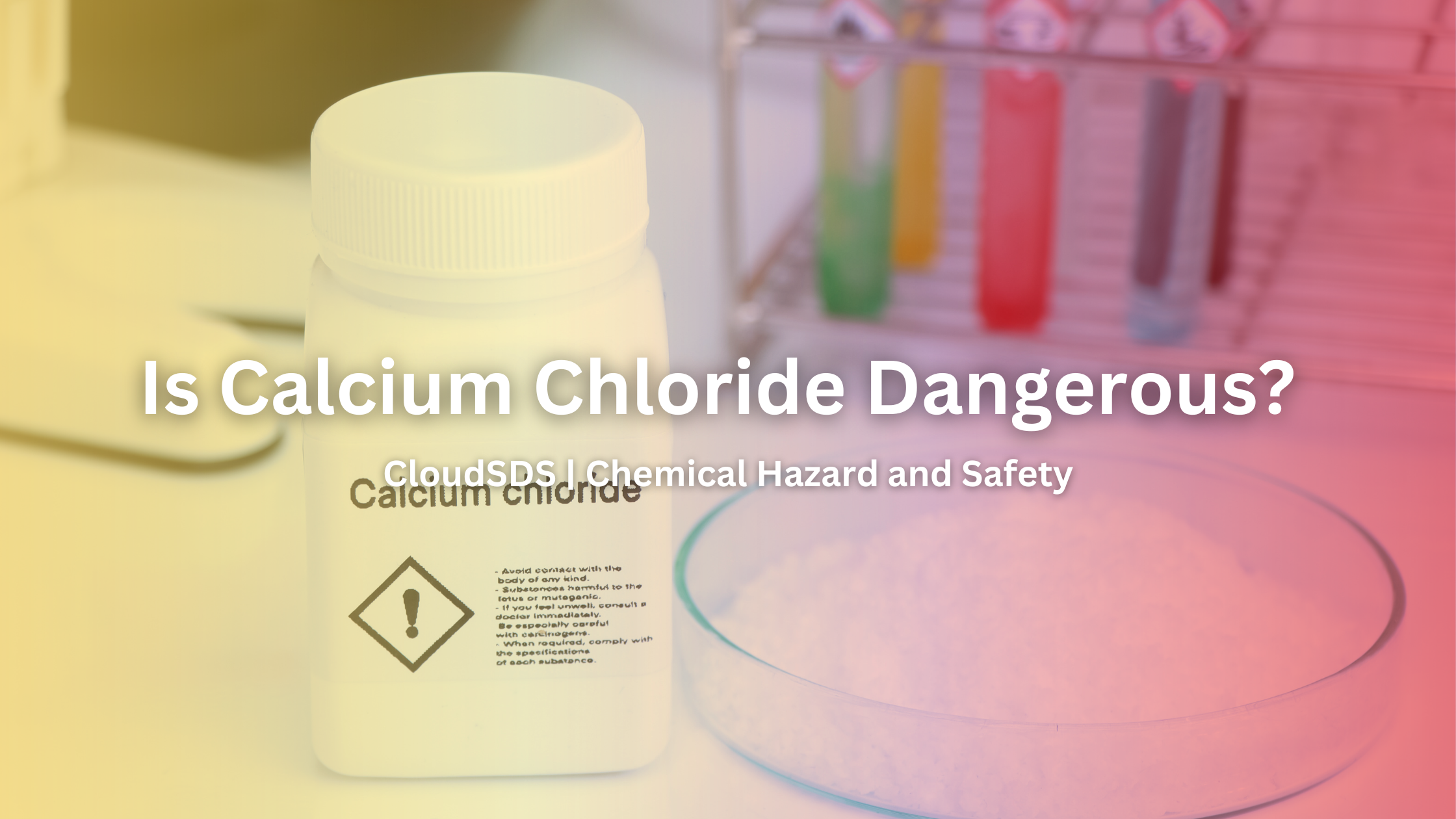
Although calcium chloride is essentially a type of salt, it serves many important purposes. It's commonly used in deicing products, dust control agents, and even as a firming agent in packaged foods. Because of its wide commercial use, many people come into direct contact with it. But with such frequent exposure, an important question arises—can calcium chloride be harmful?
Research suggests that brief contact with calcium chloride is generally harmless and unlikely to cause serious irritation
[Source Link: https://www.sciencedirect.com/science/article/abs/pii/S0736467906006330]. But prolonged exposure can be concerning. But why? To find answers keep reading the blog.
What are the Key Components of Calcium Chloride?
To understand calcium chloride, let's start with its basic makeup.
Calcium chloride is made from two elements: calcium and chlorine. Together, they form an ionic compound, which means the elements are held together by electrical charges. It easily dissolves in water and can absorb moisture from the air. [Source link: https://pubchem.ncbi.nlm.nih.gov/compound/Calcium-Chloride]
At room temperature, calcium chloride looks like a solid white salt. It acts like a typical salt formed from chlorine and is used in many everyday applications—like melting ice on roads, controlling dust, helping cement set, and even in refrigeration systems. It's often made from limestone or as a leftover product from a chemical process called the Solvay process.
Can Calcium Chloride Be Harmful?
Yes, calcium chloride can be harmful—especially if it's not handled properly. Although it's not considered highly toxic, there are specific situations where exposure can cause serious health problems. The risk depends on how you come into contact with it and how long the exposure lasts.
What are the Harmful Components of Calcium Chloride?
Calcium chloride itself is a harmful substance. While it's a simple salt made of calcium and chlorine, its chemical properties can cause issues:
i) Exothermic Reaction:
When calcium chloride comes into contact with water (or moisture on your skin), it produces heat. This heat can cause burns or irritation. It may happen especially with prolonged exposure.
ii) Direct Calcium Deposits:
In some cases, calcium from the chemical can be deposited into the skin or underlying tissue, leading to a condition known as calcinosis cutis, which damages soft tissues. Source link:[https://www.sciencedirect.com/science/article/abs/pii/S0736467906006330]
Harmful Effects of Calcium Chloride?
Here are some of its harmful effects:
Skin and Tissue Damage
- Prolonged exposure can lead to necrosis, which is the death of skin and soft tissue.
- People have reported skin peeling or sloughing after extended contact with calcium chloride-containing deicers.
- Heat from the exothermic reaction can burn the skin, even without visible moisture.
Irritation and Inflammation
- Calcium chloride can cause irritation to the eyes, skin, and respiratory system.
- Inhaling dust or mist can result in coughing, sneezing, or sore throat.
Injury on Broken or Abraded Skin
- Contact with already damaged skin increases the risk of severe effects.
- Absorption through broken skin may lead to localized injury and, in rare cases, require medical or surgical treatment.
What Are the Safety Measures for Handling Calcium Chloride?
To use calcium chloride safely, you should follow these important precautions:
Wear Protective Gear
Why it's Important:
Calcium chloride can irritate the skin, eyes, and respiratory system—especially in powder or concentrated form.
What to do:
- Always wear chemical-resistant gloves to prevent skin irritation or burns.
- Use safety goggles or a face shield to protect eyes.
- Wear long sleeves, pants, and a lab coat or apron to minimize skin exposure.
- If you're working in an area with poor ventilation or handling large amounts, consider wearing a dust mask or respirator.
Be Careful
Why it's important:
Pouring or mixing calcium chloride too quickly can create dust, which may be inhaled or cause eye irritation.
What to do:
- Avoid shaking or dumping the substance forcefully.
- Add calcium chloride slowly when mixing with water—never add water to calcium chloride, as it can react violently.
- Use tools like scoops or funnels to control the flow and reduce airborne particles.
Work in a Well-Ventilated Area
Why it's Important:
The dust or fumes released by calcium chloride can cause respiratory discomfort. It may happen during large scale use.
What to do:
- Always use it in open or well-ventilated spaces.
- If indoors, consider using fume hoods or exhaust fans. It helps remove airborne particles.
- Keep doors or windows open if ventilation systems are unavailable.
Wash after Use
Why it's important:
Even small residues of calcium chloride on the skin or clothing can lead to irritation over time.
What to do:
- Wash your hands thoroughly with soap and water after handling.
- Rinse any exposed skin, even if there's no visible contact.
- If the chemical spills on your clothes, remove them immediately and wash the affected skin area.
Store Properly
Why it's important:
Calcium chloride is hygroscopic. In simple terms, it absorbs moisture from the air. This can cause it to clump, degrade, or even react with nearby water.
What to do:
- Store it in a tightly sealed container to keep out moisture.
- Keep it in a cool, dry place, away from direct sunlight and water sources.
- Label containers clearly and keep them out of reach of children or untrained staff.
First Aid Measures
If an exposure occurs, here's what to do:
-
Skin Contact:
Rinse the affected area under cool running water. Do this for at least 15 minutes. Remove any contaminated clothing. Seek medical attention if irritation persists.
-
Eye Contact:
Flush your eyes gently but thoroughly with clean water for 15–20 minutes. Keep eyelids open and moving. Do not rub your eyes. Seek medical help immediately.
-
Inhalation:
Move the affected person to an area with fresh air. Keep them calm and warm. Seek medical attention if breathing problems continue.
-
Ingestion:
Do not induce vomiting. Rinse mouth with water if conscious. Call a medical professional or poison control center immediately.
Conclusion
Calcium chloride is a widely used chemical with valuable applications—from de-icing roads to use in industrial, food, and laboratory settings. Though it's generally considered low in toxicity, mishandling or prolonged exposure can still result in health and environmental hazards.
The key to using calcium chloride safely lies in awareness and proper handling practices. With the right protective equipment, safe storage, and prompt response to exposure, the risks can be minimized significantly.
Whether you're a facility operator, lab worker, or using it around the home, remember: chemical safety starts with knowledge and ends with action. Make sure you and your team are equipped with both.
Simplify Your SDS Management
CloudSDS gives your team instant access to 23M+ safety data sheets with AI-powered search, automated updates, and full OSHA/GHS compliance — all from one platform.
Leave A Comment