
Last Updated on March 24, 2026
Baking soda, also called sodium bicarbonate, is one of the most common chemicals used at home, in labs, and at work. People see it as a “safe” and everyday thing that can do a variety of things, including making fluffy cakes, cleaning surfaces, and even neutralizing acids in some cases.
People often think that sodium bicarbonate is safe since they see it in kitchens and use it to cook. Most people think of it as a safe, non-toxic substance that may be used without worry. This idea has only gotten stronger because people have used it in home treatments, personal care regimens, and even in hospitals.
But is that it?
The truth is more complicated. When used correctly and in the right doses, sodium bicarbonate is safe. But, like any other chemical, it can be dangerous for your health and safety if you use it wrong, are around it too much, or don’t manage it right. People don’t usually think about them, but the hazards are real and important to know about. These include eating too much, not keeping it in the right place, or mixing it with other things by mistake.
In this article, we’ll take a closer look at when sodium bicarbonate is safe, when it can become hazardous, and how to handle it responsibly in different environments.
What is Sodium Bicarbonate?
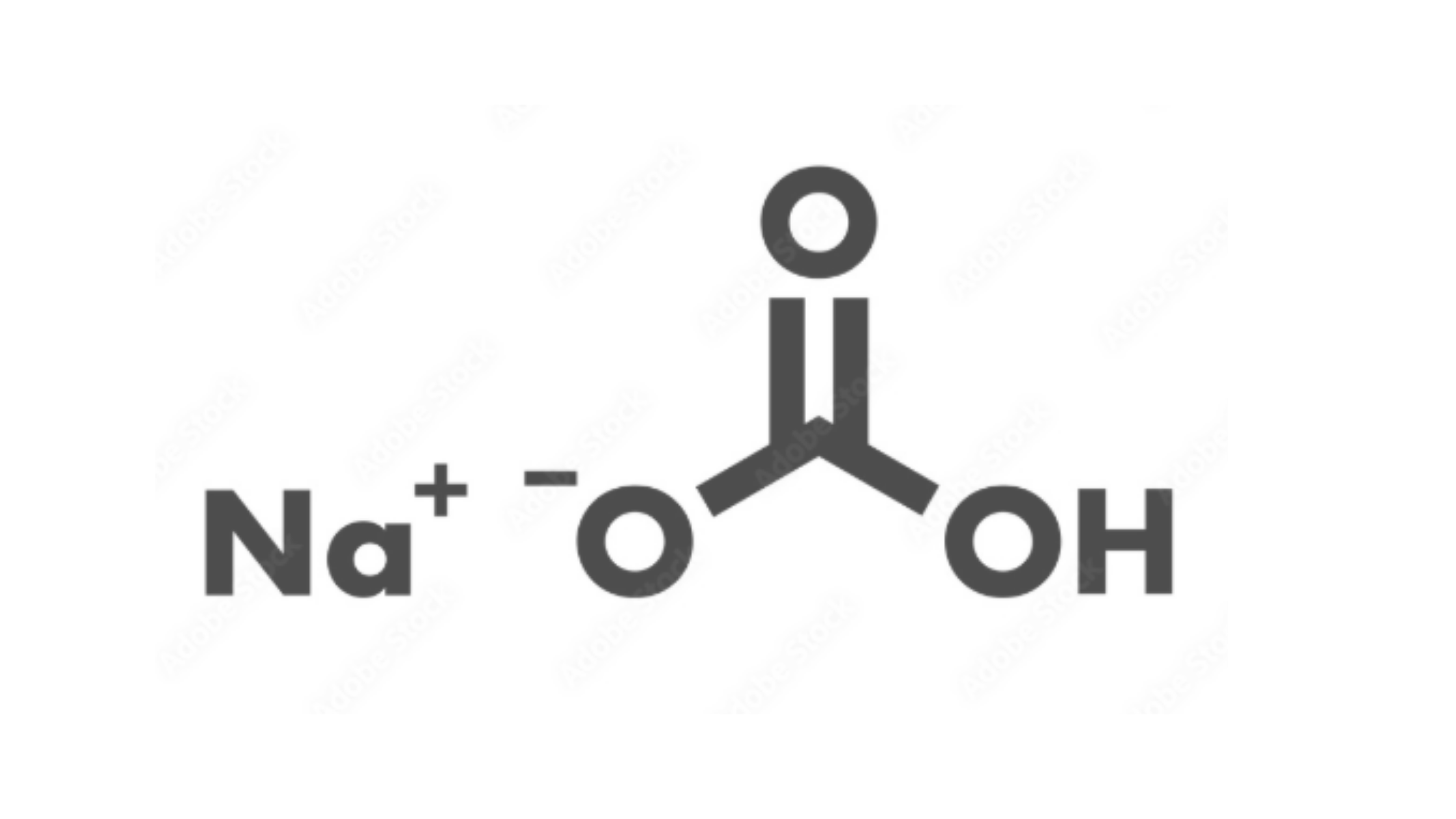
Baking soda is another name for sodium bicarbonate. It is a white powder with little crystals in it. It is a weak base that can react with acids to create carbon dioxide gas. This property makes it highly valuable for baking, where it helps dough and batter rise, and for many industrial and lab tasks that need to be done safely.
Sodium bicarbonate can be used for more than just cooking. You can find it in medicines like antacids, deodorants, cleaning supplies, fire extinguishers, and even some prescription drugs. In fact, it is safe if you learn to use it properly. So, first learn how it works in particular situations. Moreover, it’s also necessary to learn how it reacts with acids.
When is sodium bicarbonate dangerous?
1. Inhalation risks
This substance can also create fine dust particles. Yes, it is possible in its powdered form. After all, sodium bicarbonate can become airborne. Now you must be careful about these particles, as they may irritate the respiratory tract. If inhaled, you may experience coughing, throat discomfort, or mild breathing difficulty.
This risk is typically low in household settings. However, not the same in industrial environments, where large quantities are handled regularly. As a result, workers in such settings may experience repeated exposure, increasing the likelihood of respiratory irritation if proper ventilation and protective equipment are not used.
2. Risks of overconsumption
Sodium bicarbonate is safe to eat in little amounts and can even be used as an antacid, but eating too much might be bad for you. If you eat too much, you could get a condition called metabolic alkalosis, which means your body’s pH is overly alkaline. This can lead to symptoms including nausea, muscular twitching, confusion, and, in serious situations, even worse problems.
Too much of something can also throw off the body’s equilibrium of electrolytes, especially salt. This imbalance could affect how nerves and muscles work, which is especially dangerous if a lot is eaten in a short amount of time.
3. Chemical reactivity risks
People know that sodium bicarbonate can react with acids. This releases carbon dioxide gas, which is good for baking but can be dangerous in other situations.
If you mix sodium bicarbonate with an acid in a sealed container, the carbon dioxide that builds up can make pressure. This could cause the container to break or burst, which would be a safety risk. In factories or labs, uncontrolled reactions can also make processes more dangerous if they aren’t handled correctly.
4. Risk for sensitive individuals
Some people may be more sensitive to the effects of sodium bicarbonate. People with kidney or heart problems may have trouble dealing with higher levels of salt in their bodies.
Sodium bicarbonate has salt in it; thus, eating too much of it will raise sodium levels, which can make conditions like high blood pressure or fluid retention worse. For many people, even a little bit of usage can be bad for their health; therefore, it’s crucial to follow medical advice and not try to treat themselves.
Health risks of sodium bicarbonate
1. Gastrointestinal issues
Too much sodium bicarbonate might mess up the regular way your body digests food. Because it reacts with stomach acid, using too much of it can cause bloating, gas, and stomach pain because it releases carbon dioxide. It can also make you feel sick or even break your stomach in extreme cases, especially if you eat it after a big meal.
2. Metabolic imbalance
Metabolic alkalosis is a major concern. It happens when the body becomes overly alkaline. This imbalance can make cells not work properly and cause symptoms including confusion, muscle spasms, hand tremors, and heartbeats that aren’t regular. In serious circumstances, medical help may be needed.
3. Electrolyte disturbance
Sodium bicarbonate has a lot of sodium in it, which can throw off the body’s balance of electrolytes. Too much salt can cause your body to hold on to water, bloat, and raise your blood pressure. This is especially worrying for people who already have heart, renal, or liver problems.
4. Interaction medications
Sodium bicarbonate can change the pH of the stomach or how medications are absorbed, which can make some prescriptions less effective. This could make some medicines less effective or make side effects more likely. You should be careful and talk to your doctor before using prescription drugs every day.
5. Skin eye irritation
Sodium bicarbonate powder can irritate the skin and eyes, especially if you come into close contact with it for a long time. In the workplace, repeated exposure without protection might cause dryness or discomfort.
Is sodium bicarbonate safe for daily use?
1. Safe to consume if you use the proper amount
Sodium bicarbonate is a common food leavening agent that is safe to take in tiny amounts. The FDA and other government agencies say that as long as you follow the guidelines, it is safe to use.
But problems arise when it is used in big amounts, especially as a home remedy for heartburn or indigestion. Eating too much of it on a regular basis or too much of it at once could cause health problems, including metabolic alkalosis or an electrolyte imbalance. So, you can use it regularly in cooking, but you shouldn’t use it too much or eat a lot of it at once.
2. Safe for household cleaning with proper ventilation
Sodium bicarbonate is also a popular cleaning product for the home because it is rough and helps get rid of smells. It is typically used to clean surfaces, get rid of scents, and even clear clogged drains when blended with other substances.
Most homes can utilize it safely. But when you clean, especially when you’re dealing with a lot of stuff or mixing it with different chemicals, it’s important to make sure there is enough airflow.
3. Needs to be careful around machines
If your team relies so much on sodium bicarbonate in factories or labs, it’s riskier. Why? Well, thus, they are more exposed to breathing in dust or touching the substances too much and too often.
Of course, it is necessary to remain safe in these types of situations. But how? Your team needs to wear personal protective equipment (PPE), like gloves and masks. Besides, make sure there is enough airflow, and follow the safety requirements in Safety Data Sheets (SDS) for them. If these safety rules aren’t followed, even something that isn’t highly toxic, like sodium bicarbonate, could become dangerous at work.
Workplace risks of sodium bicarbonate
1. Being around dust while moving large things
Dust is more likely to be built in industries that utilize a lot of sodium bicarbonate. When you pour, transfer, or pack something, tiny bits of it can get into the air.
If you breathe in this dust for a long period or a lot, it could hurt your lungs and make it hard to breathe, cough, and have a sore throat. Even if workers don’t come into contact with each other very often, their health can develop worse over time if they are always exposed without limits. To decrease this risk, it’s crucial to have good measures to keep dust down and good ventilation systems.
2. Not keeping things in the right place
Sodium bicarbonate is stable, yet it can still be deadly if you don’t know how to use it. For example, if you put it in a wet spot, it could break down or clump together, which would make it less helpful and could make it hard to use.
Putting it close to substances that don’t mix well with it, like acids, could also make chemical reactions happen that weren’t supposed to happen. These kinds of reactions can make the pressure inside a container rise if it is sealed or doesn’t have enough air flow. The container is more likely to break now.
3. No safety gear
Does your team have access to the required personal protective equipment (PPE)? If not, then they are always at risk. Without the right protection, they may come in direct contact with such harmful substances that can damage their health. It increases the risk of inhaling dust particles, which can be dangerous.
If you are near it a lot, it can dry out your skin, irritate your eyes, or make it hard to breathe. It is highly vital for workers’ safety and for following safety laws to give them personal protective equipment (PPE) and make sure they use it when they work with a lot of sodium bicarbonate.
Safety guidelines
1. Handling
a. Avoid generating dust
When you pour, mix, or move a lot of sodium bicarbonate, it can release very small dust particles into the air. Breathing in this dust could irritate your lungs, especially in places that are closed up or not well-ventilated. To lower this risk:
- Handle the substance with care to keep particles from getting into the air.
- When you can, use closed systems or local exhaust ventilation.
- Don’t do things like dumping or pouring quickly that make dust clouds.
b. Use appropriate containe
Always utilize containers that are clean, dry, and constructed of materials that work well together. Bad containers can cause the substance to become contaminated, spill, or break down. Here are some best practices:
- Using containers that are firmly sealed to keep moisture out
- Clearly labeling containers so that they don’t get mixed up or used wrong
- Making sure that containers are strong enough to be stored and moved safely
2. Personalprotective equipment (PPE)
a. Gloves
Wearing gloves helps keep skin from touching things, especially when you have to handle them for a longer time. Sodium bicarbonate is usually not very poisonous, although being around it a lot can make your skin feel a little irritated.
b. Safety goggle
When you handle fine dust, it can easily go into your eyes. Safety goggles keep you safe and stop irritation, redness, or pain from inadvertent exposure.
c. Dust mask in industrial settings
If you work in an area where dust is inescapable, such as manufacturing or handling this substance in more quantity, you should wear a dust mask or respirator. This helps keep workers from breathing in particles, which lowers the chance of getting respiratory problems.
3. Storage
a. Store in a dry, cool plac
To keep sodium bicarbonate stable and functional, it should be maintained in a regulated atmosphere. Heat and humidity can change the composition of it. The best conditions for storage are:
- Cool temperatures that aren’t under direct sunshine
- Low humidity to keep things from clumping or breaking down
b. Keep away from acids and moistur
When sodium bicarbonate meets acids, it releases carbon dioxide gas, which can build pressure in small areas. Also, moisture can cause caking and make the product less useful. To make sure it’s safe to store:
- Keep it away from things that are acidic.
- Do not keep in regions that are wet or moist.
- When needed, use packing that won’t become wet
Conclusion
So, is sodium bicarbonate harmful? But the real answer depends on how it is used. If using it on a small scale, your team or the user is on the safe side. In everyday, small-scale applications, it is generally safe and widely trusted. However, in industrial settings or when handled in large quantities, it can pose risks such as dust inhalation, eye irritation, and reactions with incompatible substances like acids.
The key takeaway is simple: safety lies in proper handling, storage, and awareness. By following basic safety guidelines and referring to the Safety Data Sheet (SDS), organizations can use sodium bicarbonate effectively without compromising worker health or compliance.
Simplify Your SDS Management
CloudSDS gives your team instant access to 23M+ safety data sheets with AI-powered search, automated updates, and full OSHA/GHS compliance — all from one platform.
Leave A Comment