Campus Chemical Ecosystem Map

Introduction

The modern university campus is a complex ecosystem of chemical activity. Across multiple buildings, departments, and facilities—from chemistry labs and art studios to maintenance closets and athletic facilities—universities manage hundreds, sometimes thousands, of hazardous chemicals daily. Yet many institutions still rely on outdated, disconnected systems to track these materials: paper binders, scattered spreadsheets, and inconsistent documentation practices that create dangerous gaps in safety and compliance. In 2026, this approach is no longer acceptable. A centralized Safety Data Sheet (SDS management system) is not just a convenience—it's an essential investment for any serious institution prioritizing campus safety, regulatory compliance, and operational efficiency.

The Scope of the Problem: Why Universities Need SDS Management

Universities face a unique chemical complexity that sets them apart from traditional industrial environments. The challenge isn't limited to a single laboratory or facility—it spans the entire campus ecosystem.

The diverse chemical footprint across campuses includes:

  • Laboratory chemicals: Reagents, solvents, acids, and specialized compounds used in chemistry, biology, physics, and engineering courses and research.
  • Art and design materials: Paints, thinners, adhesives, and aerosol products stored in art departments.
  • Maintenance and custodial supplies: Industrial-grade degreasers, cleaners, disinfectants, and fuels used across campus facilities.
  • Athletic facilities: Pool treatment chemicals, sanitizers, and specialized cleaning agents.
  • Dormitory supplies: Consumer-grade cleaning products, pesticides, and other hazardous materials.

The problem is compounded by the nature of university operations. Unlike a traditional manufacturing facility with centralized oversight, universities operate with departmental autonomy. Different labs purchase chemicals independently, maintain separate records, and operate without unified tracking systems. This creates a perfect storm of compliance risk.

Regulatory Framework Pyramid-min

The Regulatory Imperative: OSHA and Beyond

Universities are not exempt from occupational safety regulations. In fact, compliance obligations are clear and non-negotiable.

Key regulatory requirements include:

  • OSHA Hazard Communication Standard (HazCom 2012, 29 CFR 1910.1200): All employers must maintain Safety Data Sheets for every hazardous chemical in the workplace and make them accessible to employees.
  • Laboratory Safety Standard (29 CFR 1910.1450): Universities that maintain laboratory facilities must implement comprehensive chemical safety programs.
  • Globally Harmonized System (GHS) compliance: SDSs must include standardized 16-section formats, GHS pictograms, signal words, and precautionary statements.
  • State and local regulations: Individual states (California, Texas, and others) impose additional chemical tracking and reporting requirements.

Failure to comply carries serious consequences: significant OSHA fines, legal liability in case of incidents, and most importantly, the real risk of student or staff injury or death.

The Cost of Chaos_ Hidden Costs Breakdown-min

The Hidden Costs of Decentralized Systems

Many universities believe their current scattered approach is manageable. In reality, paper-based and partially digital systems impose substantial hidden costs and risks.

Common problems with fragmented SDS management include:

  • Inconsistent tracking: Different departments maintain records in different formats, making it impossible to know what chemicals are actually on campus at any given time.
  • Outdated documentation: Paper-based or spreadsheet systems quickly become obsolete. Manufacturers update SDSs regularly—sometimes critical safety information—but universities may be using versions that are months or years old.
  • Wasted staff time: EHS professionals spend countless hours chasing down chemical inventory information from lab personnel instead of focusing on proactive safety initiatives.
  • Inventory redundancy: Without centralized visibility, departments unknowingly order duplicate materials, wasting budget and creating unnecessary storage challenges.
  • Audit failures: When regulatory agencies or accreditation bodies inspect university operations, decentralized systems inevitably reveal gaps and non-compliance issues.
  • Emergency response delays: During chemical incidents or spills, responders cannot quickly access critical hazard information, putting lives at risk.

Real-world impact: Universities have reported that implementing centralized systems eliminated corrective actions from failed audits, reduced chemical ordering costs by identifying duplicate purchases, and significantly decreased time spent on administrative tasks.

Decentralized vs Centralized System Comparison Chart

Key Benefits of a Centralized SDS Management System

A modern, cloud-based centralized SDS system addresses these challenges directly, providing universities with immediate and long-term advantages.

1. Compliance and Risk Reduction

A centralized system ensures:

  • All SDSs are current and compliant with OSHA HazCom and GHS standards.
  • Automatic updates when manufacturers revise safety information.
  • Complete audit trails and documentation for regulatory inspections.
  • Proper hazard classification and labeling across all chemical containers.
  • Right-to-Know access for employees and students as mandated by law.

Universities using centralized systems report smooth, successful regulatory audits and zero corrective actions related to SDS compliance.

2. Enhanced Campus Safety

When students, faculty, and staff need to work with hazardous chemicals, quick access to accurate hazard information can save lives.

Safety improvements include:

  • Employees can find critical safety information in seconds rather than minutes, reducing response time during incidents.
  • Real-time access to protective equipment requirements and first aid procedures.
  • Instant emergency access to hazard data during chemical spills or exposures.
  • Mobile accessibility allows access even when employees are in remote labs or facilities.
  • QR codes on chemical containers link directly to current SDSs, eliminating outdated paper labels.

Students and newer staff members, in particular, benefit from instant access to safety information they may not have memorized.

3. Operational Efficiency

Behind-the-scenes benefits dramatically improve daily operations:

  • EHS staff no longer waste time collecting inventory information manually; instead, they access real-time data from a central dashboard.
  • Lab supervisors can maintain accurate chemical inventories with bulk upload and editing features, reducing administrative burden.
  • Automated reporting for regulatory submissions (Maximum Allowable Quantities, hazardous waste, etc.).
  • Chemical reconciliation tools identify expired chemicals and prevent over-ordering.
  • Integration with procurement systems streamlines purchase approvals and tracking.

Universities report saving hundreds of staff hours annually after implementing centralized systems.

4. Budget Optimization

Surprisingly, centralized systems often pay for themselves through cost savings.

Budget benefits include:

  • Elimination of duplicate chemical purchases: When all departments can see what's already in stock, over-ordering drops dramatically.
  • Reduced disposal costs: Accurate tracking prevents expired chemicals that must be disposed as hazardous waste.
  • Lower training expenses: Automated compliance training through integrated learning management systems reduces the need for manual instruction.
  • Streamlined emergency response: Fewer chemical spills and faster response times mean lower accident costs and insurance claims.

The Technology Landscape in 2026

SDS management has evolved dramatically, and modern solutions offer capabilities that were unimaginable five years ago.

Leading platforms now use artificial intelligence to revolutionize how universities interact with chemical data.

AI capabilities include:

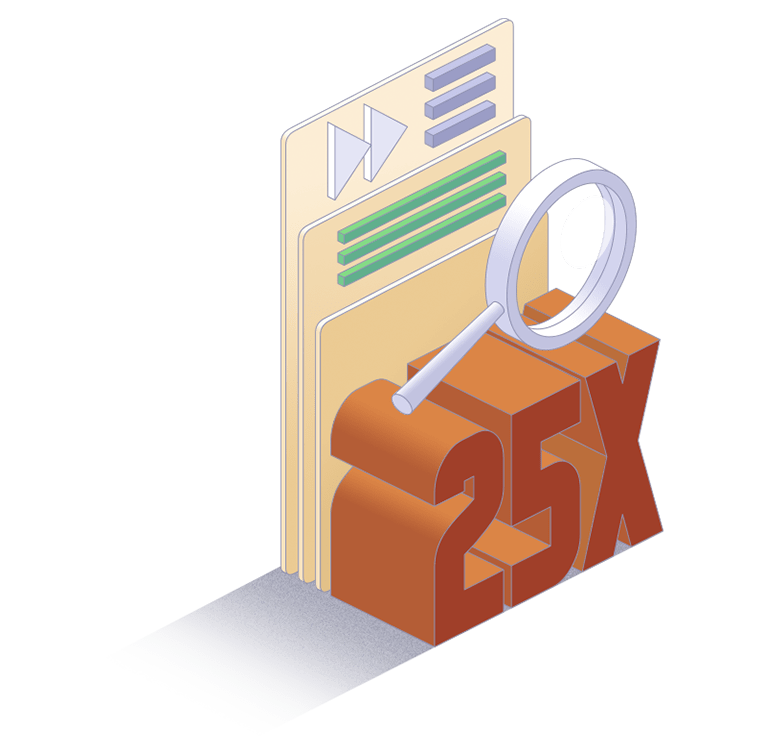
  • AI-driven search: Find chemical hazard information 25x faster than manual searching.
  • Automated hazard classification: Machine learning algorithms classify chemicals according to GHS standards, reducing manual errors.
  • Intelligent matching: AI matches chemicals across different product names, CAS numbers, and supplier variations.
  • Predictive compliance analytics: Platforms can flag potential compliance issues before they become problems.

2. Massive, Continuously Updated Databases

Modern SDS platforms maintain enormous, regularly updated databases of safety information.

Database advantages:

  • CloudSDS and competitors maintain 16–21 million+ SDSs in their systems, covering virtually every chemical a university might encounter.
  • Monthly updates ensure that information stays current with manufacturer changes.
  • Multi-language support enables compliance for universities with international collaborators or students.
  • Integration with global regulatory databases ensures compliance with not just OSHA, but REACH (Europe), WHMIS (Canada), and other frameworks.

3. Cloud-Based Accessibility and Security

The shift from paper and desktop systems to cloud-based platforms provides unprecedented flexibility.

Cloud benefits include:

  • 24/7 access: Employees can access SDSs anytime, anywhere, on any device.
  • Mobile apps: Dedicated mobile applications work offline, with automatic sync when connectivity returns.
  • Secure authentication: Role-based access controls ensure that sensitive information is seen only by authorized personnel.
  • Automatic backups: Cloud systems eliminate the risk of losing critical documents to hardware failure.
  • Scalability: Systems grow with the university without requiring expensive infrastructure upgrades.

4. Integration with Campus Systems

Modern platforms don't exist in isolation—they integrate seamlessly with other university systems.

Integration capabilities include:

  • LMS integration: Link SDS training to learning management systems for automated compliance tracking.
  • Chemical inventory systems: Connect with existing inventory databases to maintain a single source of truth.
  • Emergency response platforms: Integrate with campus emergency systems to provide rapid access to hazard data during incidents.
  • ERP and LIMS systems: Connect with enterprise resource planning and laboratory information management systems.

Addressing Common Objections

Universities often hesitate to implement centralized systems due to perceived barriers. However, these concerns are typically unfounded or easily addressed.

“It’s too expensive”

Reality check: Modern SDS management software is surprisingly affordable. Transparent pricing starts at approximately $468 annually for universities maintaining 100+ SDSs. The cost is quickly recovered through efficiency gains, elimination of duplicate purchases, and avoidance of regulatory fines.

“Implementation will disrupt our operations”

Reality check: Leading vendors provide comprehensive implementation support, including free SDS sourcing and library setup. Most universities go live within weeks, not months. The process is designed to minimize disruption to laboratory work.

“Our staff won’t adopt a new system”

Reality check: Modern SDS software prioritizes user experience. The interface is intuitive and requires minimal training. Adoption rates are typically very high because employees immediately see the benefits of quick access to safety information.

“We’re too small or too large for this solution”

Reality check: Platforms scale from single-site universities to large multi-campus systems. Small labs benefit from simplified compliance tracking, while large research institutions benefit from campus-wide oversight and standardized processes.

Making the 2026 Transition

Universities that don't have a centralized SDS management system in place by 2026 will increasingly find themselves at a disadvantage.

Steps to implementation:

  • Assess current state: Conduct an audit of how your institution currently manages SDSs. Identify gaps and compliance risks.
  • Engage stakeholders: Involve lab supervisors, EHS staff, procurement, and facilities management in the selection process.
  • Evaluate vendor solutions: Compare features, database size, pricing, and implementation support across leading platforms.
  • Develop a rollout plan: Start with pilot departments, then expand campus-wide.
  • Provide training: Ensure all staff understand how to access and use the system.
  • Monitor and optimize: Continuously evaluate usage and refine workflows.

Conclusion

The question is no longer whether universities should implement a centralized SDS management system, but when. In 2026, the regulatory environment will continue to tighten, compliance audits will become more stringent, and the consequences of inadequate chemical safety management will grow more severely.

A centralized SDS management system represents a fundamental upgrade to campus safety infrastructure. It protects students and staff, ensures regulatory compliance, improves operational efficiency, and demonstrates institutional commitment to safety excellence.

For universities serious about chemical safety—and every university should be—a centralized SDS management system is not an optional upgrade. It's an essential foundation for 2026 and beyond. The time to act is now.