
The Ultimate Guide to Sodium Carbonate Applications in Industry
Introduction
Sodium carbonate, which is otherwise referred to as soda ash, represents an extremely versatile industrial chemical that features extensive uses in different fields. Be it its critical importance in the production of glass and detergents or its application in water treatment and different chemical processes – its usefulness is evident. Its characteristics include the appearance of the white, odorless powder that becomes alkaline when mixed with water; nevertheless, despite its usefulness, knowing how to handle this chemical safely is imperative. Therefore, having a full understanding of the variety of uses of soda ash, its characteristics, and safety measures is of vital importance.
The chemistry behind sodium carbonate
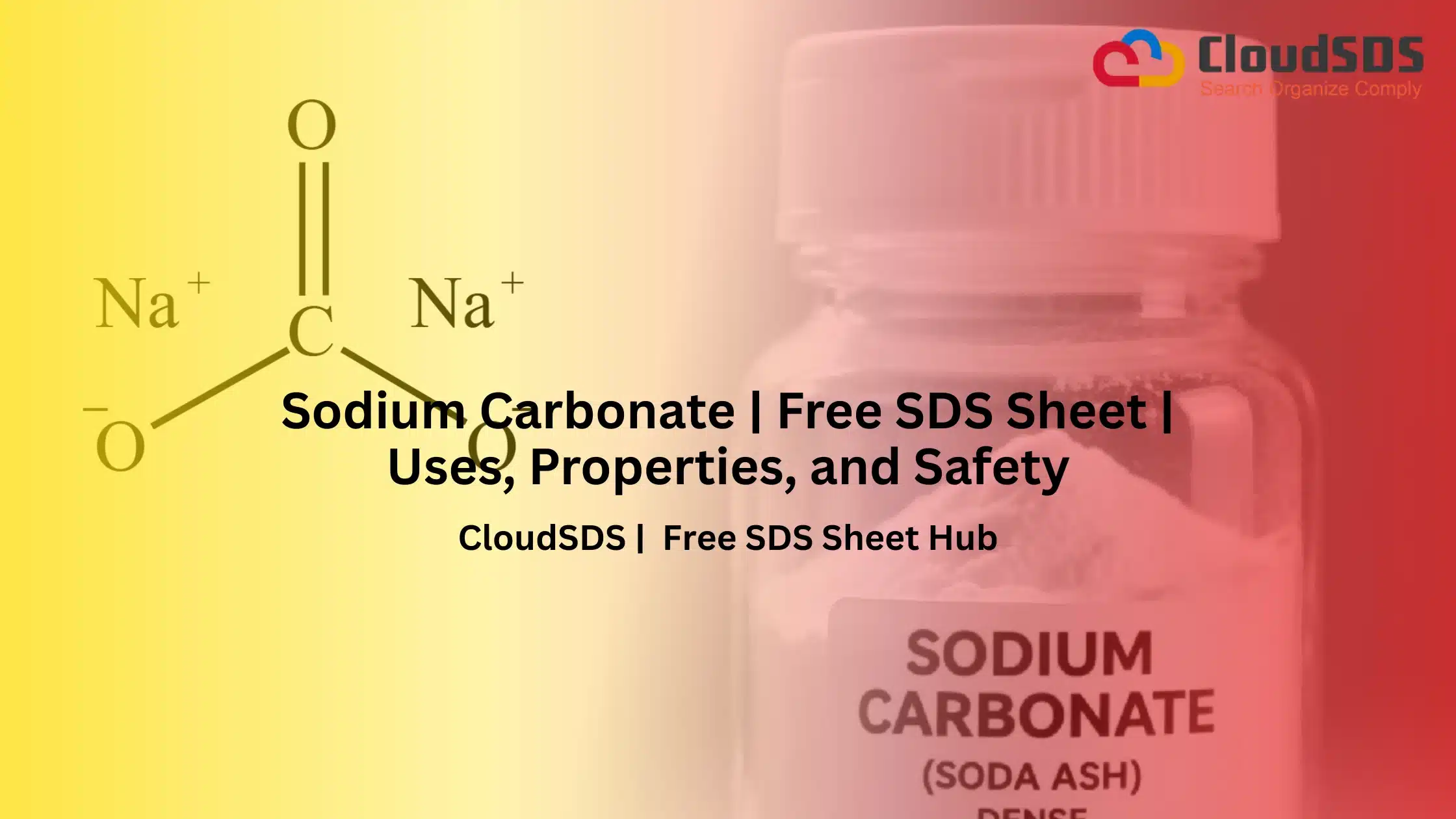
The formula of sodium carbonate is Na₂CO₃.. The substance is a salt of carbonic acid containing sodium. As a pure compound, it can be found in a white, solid, odourless state. It dissolves quickly when mixed with water and forms an alkaline solution with a high level of pH.
Alkalinity provides a great ability of this compound to perform tasks. Due to its alkalinity, it can easily neutralize any acids. It is also effective in decomposing fats and oils by the process of saponification. When it is diluted with water, it acts as a water softener and eliminates the ions of calcium and magnesium from water to prevent their reactions with soap.
Sodium carbonate can be found in some natural mineral sources like trona, but it is produced in large quantities with the help of the Solvay process. This process uses salt and limestone to create sodium carbonate.
Everyday uses of sodium carbonate
You can keep a bag of sodium carbonate in your home for dozens of cleaning tasks. It is a staple ingredient in many store-bought cleaners because it is cheap and effective.
Cleaning products
Sodium carbonate boosts the strength of laundry detergents and dishwashing soaps. Hard water contains minerals that make soap perform poorly. Sodium carbonate binds to these minerals, allowing the soap to focus on removing dirt and grease. It also acts as a grease-cutter on its own. If you have greasy laundry or dishes, the alkaline boost helps lift the oil from the fabric or surface.
Household maintenance
In addition to washing purposes, sodium carbonate can be utilized in some challenging cleaning procedures. Consider using it in the following way:
- Cleaning oven: Mix water and powder into paste form and apply it to the sticky grease; leave for one hour and then remove it.
- Cleaning drain: Pour half a cup of powder in the drain along with hot water.
- Cleaning outdoors: Make a solution of water and powder to clean patios and decks; it will wash away mold and dust without chemicals.
- Removing stains: Submerge your stained clothes in a bucket with some amount of sodium carbonate.
Water treatment
Sodium carbonate is widely used by individuals who have to ensure that there is equilibrium in the chemical content of their swimming pools. The presence of excess acid in the water of the pool makes it dangerous for both human eyes and the equipment of the pool. Therefore, it is necessary to add sodium carbonate to increase the pH level.
Industrial powerhouse: Sodium carbonate in manufacturing
Industries consume more sodium carbonate than individual households. It is a major raw material for several essential manufacturing sectors.
Glass manufacturing
Glass production is the largest consumer of sodium carbonate. Production of glass involves melting silica sand at extremely high temperatures. The role of sodium carbonate here is that of a flux. This is because it helps reduce the temperature needed to melt the sand. Without it, the amount of energy needed to melt glass would be very high, hence making windows, bottles, and jars very costly.
Chemical synthesis
Sodium carbonate is used as a raw material in the production of many other chemicals. It is used in the synthesis of sodium bicarbonate, which is baking soda. Sodium silicates and sodium phosphates are some other chemicals made from sodium carbonate. It serves as a building block for a large range of products you use in your daily life.
Pulp and paper industry
The paper industry relies on sodium carbonate for the Kraft process. This technique is used to convert wood chips into a pulp used to make paper. Sodium carbonate is reused by paper mills because it is created during this process. This helps to separate the chemicals, which join the wood fibers, thus producing the pulp.
Metallurgy and mining
In mining industries, sodium carbonate is used in extracting metals from ores. It is used to extract metals from the waste rocks by the process of flotation. In the extraction of aluminum from bauxite ores, it ensures that the extracted metal meets the standard needed for cars, planes, and electronic equipment.
Safety and storage rules
It is relatively non-toxic, but it is an irritant. Being careful around it ensures that you remain safe throughout your experiment.
Recognizing hazards
Irritation is a major hazard here. It will cause skin drying and irritation to the eyes. Getting it into your eyes could result in stinging effects. Breathing the dust will irritate your nasal passages and throat, as well as your lungs. When ingested in large quantities, it may cause stomach pain and even vomiting.
Using proper safety gear
While using sodium carbonate, and especially when it is in the powdered form, one needs to use appropriate personal protective equipment:
- Safety glasses: Protect the eyes from flying particles or splashes.
- Gloves: Nitrile/rubber gloves are needed to prevent skin from drying.
- Dust mask: If a large amount of powder is being used, a dust mask can be worn not to breathe it in.
Storing it right
The chemical is hygroscopic in nature; that is, it absorbs moisture from the atmosphere. This causes it to form into hard chunks when it is left out in the open in its bag. Ensure that you keep it in an airtight container so as to retain its potency. It should be kept in a cool place. It should not encounter strong acids because this could produce carbon dioxide gas.
First aid steps
Take prompt action if any problem arises:
- Skin contact: Wash off the affected part using abundant water for several minutes.
- Eye contact: Rinsing eyes with running water for at least 15 minutes. Visit a doctor if the eye continues to sting.
- Inhaling: Shift to a place where fresh air is available.
- Swallowing: Swish your mouth with water, then drink a small amount of water. Never induce vomiting unless told by a doctor to do so.
Conclusion
More than just a cleaner, sodium carbonate is a fundamental element in our economy. It is necessary for raising the pH, softening water, and lowering the melting point of other materials; thus, it becomes an essential part of the process of making glass, paper, and soap. It can help you easily remove grease from your home in a convenient and efficient manner.
Key takeaways
- Sodium carbonate acts through alkalinity formation and thus is quite good at cleaning and various chemical processes.
- Glass production is the largest industry application of this substance.
- At home, sodium carbonate can be applied for washing clothes, cleaning ovens, and adjusting pH in pools.
- Protect your eyes and skin by wearing goggles and gloves while handling the powder.
- The bottle should be kept closed to avoid moisture absorption.
Simplify Your SDS Management
CloudSDS gives your team instant access to 23M+ safety data sheets with AI-powered search, automated updates, and full OSHA/GHS compliance — all from one platform.
Leave A Comment