
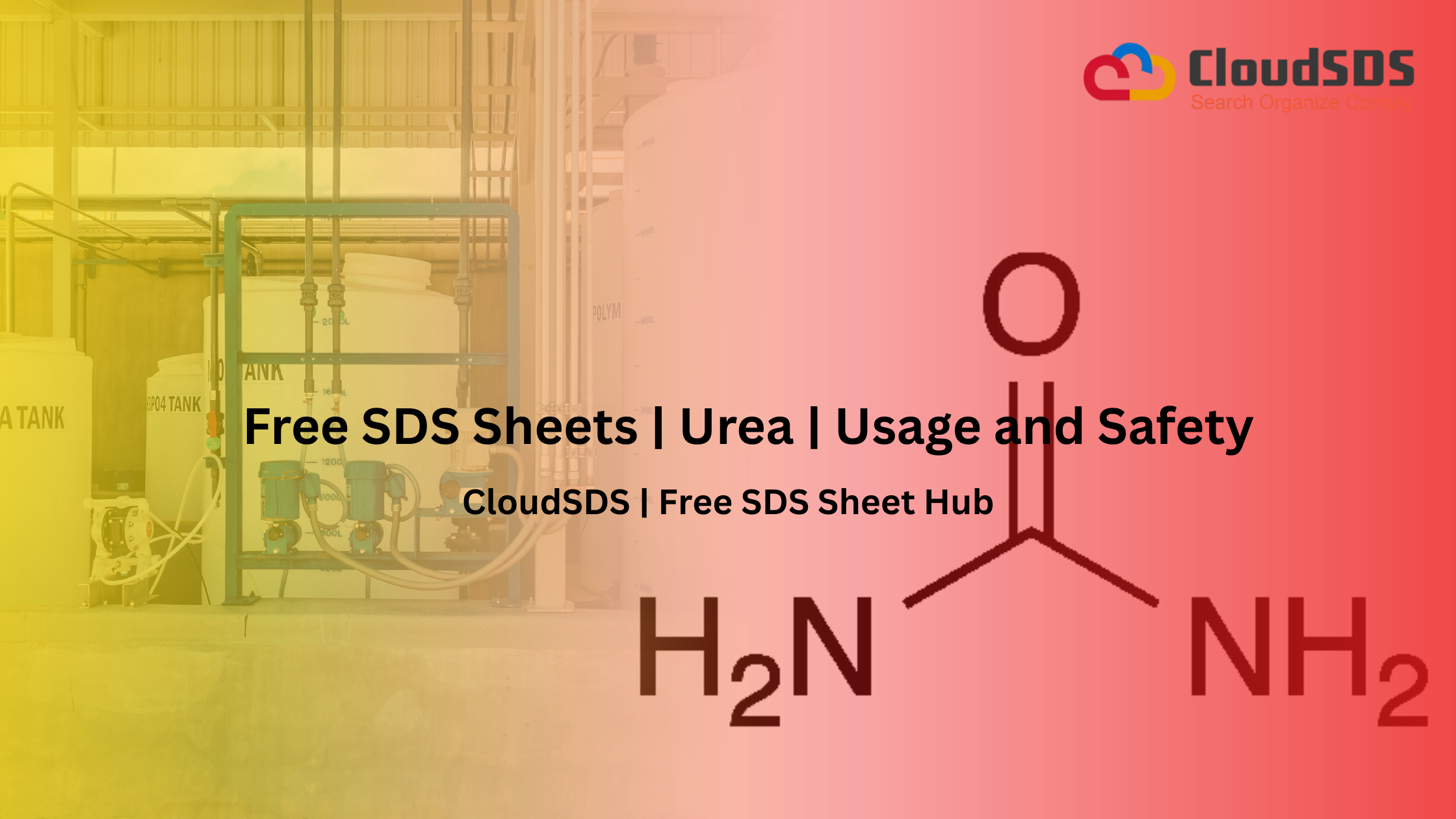
Urea is one of the most widely used compounds in industry and agriculture. It is well known as a fertilizer rich in nitrogen and an important raw material in chemical synthesis. The urea SDS PDF includes important safety information and the CAS number 57-13-6. The UN number for urea is not usually assigned because it is not classified as a hazardous material for transportation under most regulatory regimes. Urea is not normally classified as a hazardous substance under GHS. Slight irritation may occur in the eyes, skin, or respiratory tract from overexposure. Urea is also called fertilizer-grade urea, carbonyl diamide, and carbamide. Urea is also mentioned in the safety data sheets (SDS). Users will find all comprehensive information on safe handling and storage, exposure controls, first aid measures, and environmental precautions to ensure workplace safety and compliance with regulations.
Chemical & Physical Properties of Urea
Urea is a chemical molecule containing nitrogen. This substance was utilized by people in fertilizers, chemical production, pharmaceuticals, animal food, and cosmetics. It is prized for its high nitrogen concentration, water solubility, and stability in the chemical form in which it is stored under normal conditions. People should have an understanding of chemical and physical properties of Urea that is vital for safe handling, proper storage, industrial efficiency, and regulation compliance.
Key Chemical & Physical Characteristics
-
Chemical Formula
Urea (CO(NH₂)₂) is a white crystalline solid that is used extensively in fertilizer, chemical production, medicines, and cosmetics.
-
Concentration Ranges (Household vs Industrial)
Urea concentrations in home and cosmetic products for skin care and moisturizing purposes are usually 2–10%. Fertilizer-grade urea is one of the most concentrated nitrogen fertilizers and contains about 46% nitrogen and is widely used in the industrial and agricultural sectors.
-
pH & Alkalinity
Urea is not super corrosive in typical conditions. It is a neutral to slightly alkaline pH of the urea solution.
-
Stability Characteristics
Under the required storage conditions, urea is chemically stable when stored in firmly closed containers, free of moisture and excessive heat. Proper storage of the product is important to retain its purity and effectiveness.
-
Decomposition Factors
Urea may be decomposed under high temperatures, high humidity, acids, and long-term storage. Decomposition may release ammonia and carbon dioxide, and overheating may produce by-products such as biuret, which affects the overall quality of the product.
Manufacturing Process
Industrial Production
Urea is industrially manufactured by reacting ammonia with carbon dioxide under high pressure and temperature.
Production Steps
- Ammonia synthesis
- Carbon dioxide compression
- Urea synthesis reactor
- Concentration and evaporation
- Prilling or granulation
Uses & Applications
Urea is one of the most versatile nitrogen compounds and is used in agriculture, automotive systems, industrial manufacturing, pharmaceuticals, cosmetics, and animal nutrition. It is valuable in commercial and industrial applications worldwide because of its high nitrogen content, water solubility, and chemical stability.
Agricultural Fertilizer
The largest use of urea is as nitrogen fertilizer in agriculture. Urea contains about 46% nitrogen and is thus one of the most concentrated solid nitrogen fertilizers. Nitrogen is an essential element needed for chlorophyll formation, photosynthesis, protein synthesis, and general plant growth.
Benefits in Agriculture
- Rapid growth of plants is stimulated.
- Enhances growth of leaves and stems.
- Helps in protein synthesis in plants.
- Improves agricultural productivity.
Chemical Manufacturing
Adhesives
Urea-based adhesives produce strong bonding strength. These are commonly used in wood products (furniture) and panel manufacturing industries. and are commonly used in furniture and panel manufacturing industries.
Common Uses
- Bonding wood.
- Ply assembly.
- Interior fits out.
- Products for packaging.
Plastics
Urea derivatives are used in producing molded plastics and industrial polymer materials. Urea-based plastics offer hardness, electrical resistance, and good surface appearance.
Applications
- Electrical fittings
- Household products
- Decorative items
- Industrial molded components
Laminates
Urea-formaldehyde compounds are commonly used in engineered wood products and ornamental laminates. They are used in interior building and furniture applications due to their durability and quality of finish.
Applications
- Cupboards.
- Wall panels.
- Office furniture.
Pharmaceuticals
In the medical world, urea is a common ingredient. It is used in pharmaceutical and dermatological preparations. This compound gives keratolytic and moisturizing effects. Urea – Medical grade urea hydrates and softens dry or injured skin.
Common Pharmaceutical Applications
- Urea is used in making topical creams and gels.
- Skin moisturizing treatments are incomplete without the usage of Urea.
- Foot care items.
- Treatment to soften nails.
Medical Benefits
- Keeps skin moisturized.
- Exfoliates dead skin cells.
- Refines skin texture.
- Used to treat hyperkeratosis and dry skin problems.
Health Hazards
Urea is regarded as a low-toxicity chemical under normal handling conditions but can still cause irritation and health discomfort if improperly exposed to. The risk factors are concentration, duration of exposure, ventilation, and the way of contact. Industrial workers, agricultural workers, and those who work with large quantities of urea should take appropriate safety measures to minimize exposure.
Skin Contact
Direct skin contact with urea is not typically very hazardous, but prolonged or repeated contact may cause mild irritation, dryness or discomfort, particularly in sensitive people. Presence of moisture with urea dust or concentrated solutions may enhance irritation effects.
Possible Symptoms
- Small redness in the skin.
- Dry or scratchy skin.
- Irritation upon prolonged exposure.
- Temporary discomfort.
Safety Measures
- Wash the exposed skin of the victims with soap and water.
- Take off contaminated clothing from their body.
- It is essential to use protective gloves in industrial handling.
- Usage of moisturizers is essential (in case skin dryness occurs).
Inhalation Risks
Inhalation of urea dust may irritate the nose, throat, and respiratory tract, particularly where ventilation is poor or where urea is handled in bulk.
Possible Symptoms
- Cough.
- Sneezy.
- Irritation of the throat.
- Nasal aches.
- Slight shortness of breath in susceptible persons.
High-Risk Situations
- Industrial processes produce dust.
- Inadequate ventilation.
- Bulk fertilizer handling.
- Grinding or transferring operations.
Safety Measures
- Use proper ventilation systems.
- Wear dust masks or respirators when necessary.
- Reduce airborne dust formation.
- Follow workplace exposure controls.
Chronic Exposure
Repeated or long-term exposure to urea dust may lead to respiratory irritation. It occurs particularly in occupational sectors where workers work in inadequate ventilation or poor dust control systems.
Potential Long-Term Effects
- Persistent throat irritation.
- Chronic coughing.
- Respiratory discomfort.
- Skin dryness from repeated contact.
Occupational Safety Recommendations
- Implement dust control measures.
- Use personal protective equipment (PPE).
- Conduct regular workplace air monitoring.
- Maintain proper hygiene practices.
- Provide employee safety training.
First Aid Measures
Although urea is generally considered a low-hazard chemical, accidental exposure may still cause irritation or discomfort. Immediate first aid measures help minimize health risks and prevent further complications during industrial, agricultural, or laboratory handling.
1. Eye Exposure
Exposure to urea dust or concentrated solutions may irritate the eyes and cause redness, watering, or burning sensations. Immediate flushing helps remove chemical particles and reduce irritation.
First Aid Procedures
- Flush eyes gently with clean running water for at least 15 minutes.
- Hold eyelids open while rinsing.
- Remove contact lenses if present and easy to remove.
- Avoid rubbing the eyes.
- Seek medical attention if irritation continues.
2. Skin Exposure
Direct skin contact with urea may cause mild irritation or dryness after prolonged exposure. Prompt cleaning helps prevent discomfort and removes residual material from the skin surface.
First Aid Procedures
- Wash affected skin thoroughly with soap and water.
- Remove contaminated clothing and footwear.
- Rinse exposed areas completely.
- Seek medical advice if irritation persists.
3. Inhalation
Breathing urea dust may irritate the nose, throat, and respiratory tract, especially in dusty industrial environments or fertilizer handling operations.
First Aid Procedures
- It is essential to bring the victims to fresh air immediately.
- Keep the victim comfortable and warm.
- Loosen tight clothing if breathing discomfort occurs.
- Seek medical attention if coughing, breathing difficulty, or irritation continues.
4. Ingestion
Accidental ingestion of large amounts of urea may cause nausea, vomiting, stomach discomfort, or gastrointestinal irritation.
First Aid Procedures
- Rinse mouth thoroughly with water.
- Provide water to drink if the person is conscious.
- Do not induce vomiting unless directed by medical personnel.
- Seek medical advice if symptoms persist or worsen.
Personal Protective Equipment (PPE)
-
Eye Protection
Safety goggles help protect the eyes from dust and splashes.
-
Hand Protection
Chemical-resistant gloves reduce skin contact and irritation risks.
- Respiratory Protection
Dust masks or respirators are recommended in dusty work environments.
-
Protective Clothing
Long sleeves and protective workwear help prevent repeated skin exposure.
Handling & Storage of Urea
Proper handling and storage practices are important to maintain product quality, prevent contamination, and ensure workplace safety.
Safe Handling Guidelines
- Reducing dust formation lowers inhalation risks.
- Proper sealing prevents contamination and moisture absorption.
- Keep away from strong oxidizers and acids to avoid any unwanted reactions.
Storage Recommendations
- Proper storage helps maintain product stability and quality.
- Moisture and heat may cause caking and decomposition.
- Separate storage reduces chemical reaction risks.
Transportation Information
Urea is generally considered a non-controlled material for transport under DOT, IMDG, or IATA regulations. It is commonly transported in sealed bags, bulk containers, or liquid solution tanks. During transportation, the product should be protected from moisture, contamination, and excessive heat to maintain quality and stability.
Regulatory & Compliance Information for Urea
OSHA
Urea is generally regulated as a hazard communication under the OSHA hazard communication standard. The risk of exposure in the workplace must be reduced by employers providing staff training and safe handling methods and access to Safety Data Sheets (SDS).
GHS Compliance
Urea is a Globally Harmonized System (GHS) item and should be properly labeled and documented in SDS. Labels should carry product identification, handling instructions, and emergency safety information to permit safe transportation, storage, and use in the workplace.
EPA Considerations
Large-scale use of urea in agriculture and industry may be restricted by environmental agencies such as the EPA to reduce soil contamination, water pollution, and ammonia emissions. Some industrial and agricultural activities may require fertilizer runoff control, wastewater discharge limits, and environmental monitoring for environmental compliance.
Conclusion
Urea is one of the most important nitrogen compounds used in agriculture, industrial manufacturing, automotive systems, and pharmaceutical and cosmetic items around the world. It contains a large amount of Nitrogen, and is water-soluble, cheap, and widely available. This makes it a very useful fertilizer and industrial chemical. However, to maintain the quality of the product and to reduce health and ecological concern, the product should be properly handled, stored, transported, and managed in the environment. As long as safety measures are in place and regulatory rules are followed, urea can be safely used in various sectors and in a sustainable manner. Urea’s versatility and commercial importance still make it an essential chemical in today’s industrial and agricultural operations.
Simplify Your SDS Management
CloudSDS gives your team instant access to 23M+ safety data sheets with AI-powered search, automated updates, and full OSHA/GHS compliance — all from one platform.
Leave A Comment