
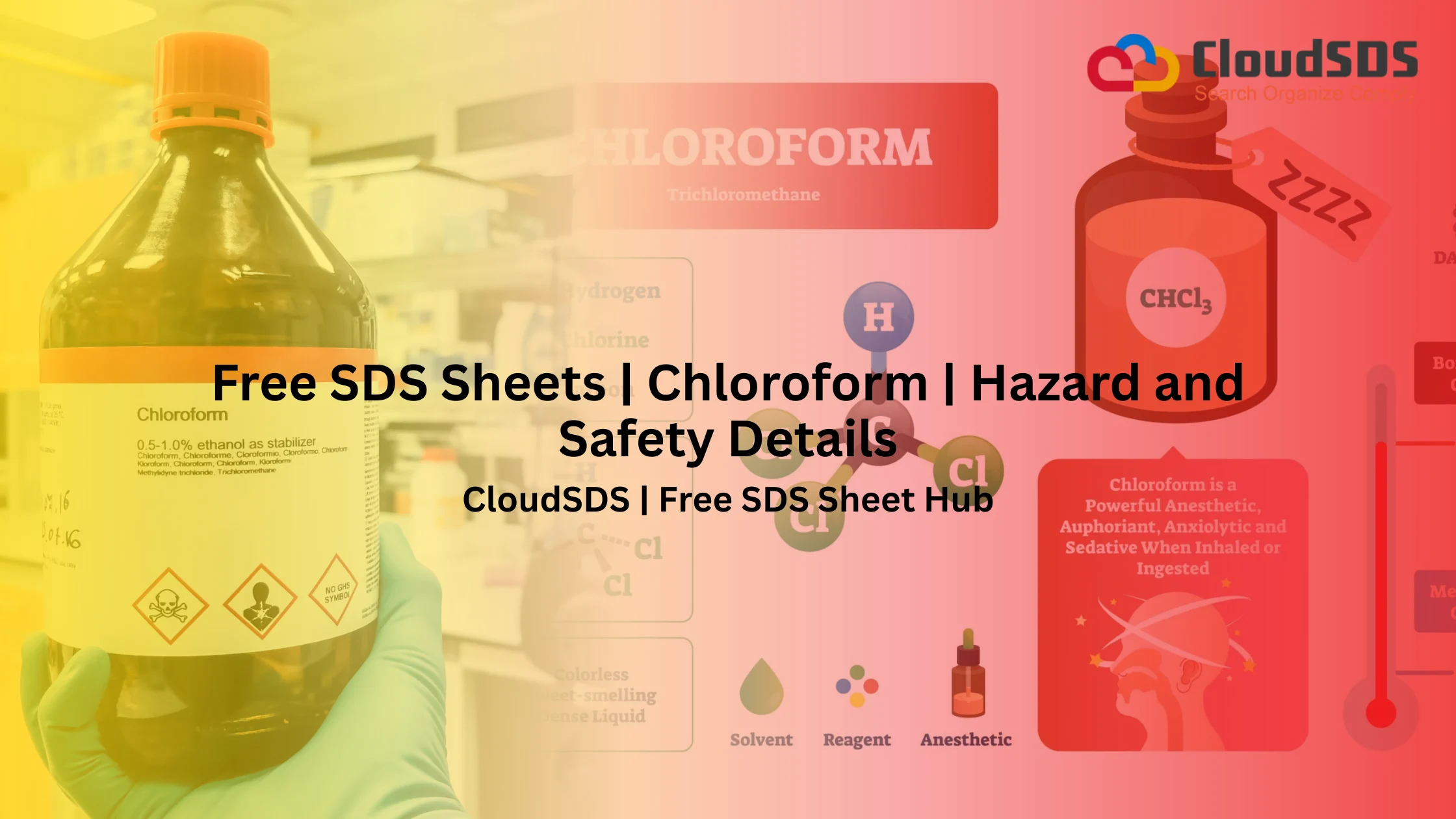
Chloroform is one of the most widely known industrial and laboratory compounds in the world. Historically linked to anesthetic uses, today's chloroform has a variety of applications in chemical manufacturing, pharmaceutical production, research laboratories, and industrial activities.
It is important to know how to use chloroform safely because using it the wrong way can cause health, environmental, and regulatory problems. Whether you are a laboratory worker, chemical safety manager, manufacturer, researcher, instructor, or facility supervisor, it is important that you know how to safely use, store, transport, and dispose of chloroform.
Overview of Chloroform
Chloroform (trichloromethane) is a white liquid with a pleasant ether-like odor. It was previously employed as an anesthetic, but its usage in medicine was halted due to major health dangers. Today chloroform is employed mostly as a solvent, chemical intermediary, and laboratory reagent.
Who Uses Chloroform?
Chloroform is present in:
- Chemical production plants
- Pharmaceutical manufacturing facilities
- Research labs
- Universities
- Biotech firms
- Testing laboratories for environment
Every organization that uses this chemical needs to have an up-to-date and compliant SDS because chloroform exposure can have serious health impacts.
Chloroform Chemical Identification
| Property | Details |
| Chemical Name | Chloroform |
| Synonyms | Trichloromethane, Methane Trichloride |
| CAS Number | 67-66-3 |
| Molecular Formula | CHCl₃ |
| Molecular Weight | 119.38g/mol |
| Appearance | Clear, colorless liquid |
| Odor | Sweet, ether-like |
Recommended Use
Chloroform can be used for:
- Synthesis chemistry
- Laboratory tests
- Applications of solvents
- Pharmaceutical manufacture
- Research and development work
Employers should ensure that containers are correctly labeled and that SDS paperwork is available on demand.
Chloroform Hazard Classifications
Chloroform is a dangerous chemical defined under GHS and OSHA regulations.
Major Hazard
Acute Toxicity:
Inhalation, skin absorption, or ingestion may cause immediate adverse health effects.
Organ Toxicity:
Repeated exposure can cause damage:
- Liver Reins.
- Central nervous system.
Carcinogenicity.
Various regulatory agencies have identified chloroform as a possible carcinogen based on animal studies and data from occupational exposures.
Chloroform Exposure Routes and Health Effects
Workers can be exposed to chloroform in several ways.
1. Inhalation Exposure
Inhalation of chloroform vapors can rapidly affect the central nervous system.
2. Signs and Symptoms
- Headache, dizziness.
- Tiredness.
- Nausea, dizziness.
- Loss of Consciousness (in severe cases).
- Inadequate ventilation increases exposure risk significantly.
3. Skin Contact
Chloroforms are not very corrosive, but they will go right through your skin.
Impacts:
- Redness and irritation.
- Lack of moisture.
- Chemical absorption into the bloodstream.
4. Eye Contact
Exposure of the eye may cause the following:
- Sensation of burning.
- Redness.
- Irrigation.
- Ingestion irritation, temporary.
Ingesting chloroform can cause:
- Gastrointestinal upset
- Liver injury
- Kidney injury
- Depression of the central nervous system
5. Long-Term Health Effects
Repeated occupational exposure may be involved in:
- Liver disease, chronic.
- Renal impairment.
- Disorders of the nervous system.
- Potential for cancer to arise.
These risks make prevention of exposure a priority in workplace safety.
First Aid Measures for Chloroform Exposure
Early treatment may lessen the severity of injuries resulting from accidental exposure.
Inhalation
- Immediately move the victim to fresh air.
- Keep the person warm and comfortable.
- Give oxygen if you have someone trained to do so.
- Get medical help right away.
Skin Contact
- Remove any clothing that may be affected.
- Wash skin with soap and water
- Rinse for many more minutes.
- Consult your doctor if irritation persists.
Eye Contact
- Flush eyes with plenty of water for at least 15 minutes.
- If contact lenses are present, remove them.
- See a qualified medical practitioner for examination.
- Ingestion
- Do not make yourself vomit.
- Rinse mouth gently.
- Call emergency medical services right away.
Prompt medical assistance is essential for major exposures.
Fire-Fighting Measures
Chloroform itself is not very flammable; however, fires involving chloroform canisters are dangerous.
Appropriate Extinguishing Media
- Dry Chemical Carbon Dioxide
- Water spray Foam Hazardous combustion products
- Chloroform can break down to very poisonous gases, including if exposed to heat or fire
Hazardous Combustion Products
- Hydrogen chloride HCl
- Phosgene
- Chlorine
Phosgene is especially harmful since it is very poisonous at low quantities.
Fire Fighter Protection
Emergency responders should employ the following:
- Self-contained breathing apparatuses (SCBA)
- Full chemical protective suit
- Appropriate respiratory protection.
Accidental Release Measures
The containment of chemical spills is vital to safeguard workers and the environment.
Initial Reaction
- Evacuate non-essential personnel.
- Eliminate all sources of ignition.
- Restrict access to the affected area.
Spill Cleanup Procedures
Small Spills
- Soak up with inert absorbent material.
- Dispose of rubbish in designated hazardous waste containers.
Large Spills
- Set up emergency quarantine zones.
- Use modern spill containment systems.
- Get trained hazardous materials workers on the scene.
Environmental Protection
Chloroform it not, nor let it be;
- Storm sewers in surface water
- Groundwater.
- Sewerage systems
Environmental pollution can become significant regulatory liabilities.
Safe Handling Procedures for Chloroform
Accidents of occupational exposure are greatly reduced with proper handling procedures.
Before You Handle
Employees are required to:
- Read SDS carefully.
- Read the labels on the cans.
- Check the package's integrity.
- Review emergency procedures
- PPE is required.
While you are dealing with
Workers are required to:
- Use fume hoods when possible.
- Fumes can be dangerous if inhaled.
- Do not get on the skin.
- No splashing.
- Use approved transfer equipment.
After handling
- Wash hands thoroughly.
- Dispose of garbage properly.
- Look in the storeroom.
Chloroform Storage Requirements
Proper Storage Protects Employees and Maintains Chemical Stability
Storage Conditions
Chloroform is stored in the following manner:
- In cool places.
- In the bright sunshine.
- In well-ventilated areas.
- In airtight containers.
Keep Away From
- Strong oxidizers.
- Reactive chemicals.
- Heat sources.
- Open flames.
Best Practices
Employers should establish the following:
- Secondary containment systems.
- Programs in chemical segregation.
- Frequent checking of storage.
- Methods of inventory control.
Good storage practices minimize the chance of leaks, degradation, and accidental reactions.
Exposure Controls and Personal Protective Equipment (PPE)
Both engineering controls and PPE are important to reduce occupational exposures.
Engineering Controls
Recommended controls include the following:
- Local Exhaust Ventilation
Vapor captures the source.
- Laboratory Fume Hoods
Protect during transport and testing
- Air Monitoring Programmes
Monitor airborne concentrations and compliance.
PPE Required
- Eye Protection
Splash goggles, chemical
- Hand Protection
Resistant gloves to chemicals
- Body protection
- Lab jackets.
- Aprons, chemical resistant.
- Protective clothing and breathing protection.
Protection for Breathing Problem
- NIOSH-approved respirator.
- OSHA-compliant respirator protection program.
Employers shall perform hazard assessments to determine the appropriate PPE requirements.
Stability and Reactivity Data Chemical Stability
Chloroform is normally stable under normal storage conditions.
Conditions to Avoid
- Too much heat
- direct sun
- Storage (Poor)
- Pollution
Materials Incompatible With
Keep in contact with:
- Powerful oxidizing agents.
- Metals are reactive.
- Some chemical reagents.
Hazardous Decomposition Products
Thermal decomposition may yield:
- Hydrogen chloride
- Chlorine gases.
- Phosgene.
These materials pose a serious respiratory hazard.
Toxicological Information
Toxicology information is important for understanding possible health hazards.
Acute Toxicity
- Respiratory tract.
- Brain and spinal cord (CNS).
- Gastrointestinal tract.
Organ Damage
With repeated exposure, you may develop:
- Problems in Liver
The liver is one of the main target organs damaged by chloroform.
- Problems in Kidney
Prolonged exposure can impair kidney function.
- Problems in Nervus System
Neurological symptoms may result from chronic exposure.
- Carcinogenicity
Chloroform has been classified as a suspected or possible human carcinogen by several health organizations, highlighting the need to control exposure.
Disposal Procedures of Chloroform
In most jurisdictions, chloroform waste is treated as hazardous waste.
Disposal Guidelines
- Follow federal rules.
- Comply with State Laws.
- Use approved waste contractors.
- Keep records of disposal.
- Disposal of Containers.
Container Disposal Procedures
- "Empty" containers may still contain residues of hazardous materials and should be managed accordingly.
- Improper disposal can lead to fines, environmental damage, and non-compliance.
Conclusion
Chloroform is a useful chemical in industry and laboratories but has major health, safety, and environmental concerns that need to be managed. A full SDS will give you the key information you need on hazard identification, exposure controls, PPE, working safely with the chemical, storing it, what to do in an emergency and your regulatory obligations. Keeping current SDS documentation for chloroform easily accessible to workers enables organizations to protect workers, comply with OSHA and GHS, limits the risk of exposure and enhances overall chemical management programs. Digital SDS management solutions take compliance one step further by offering instant access, automated updates, inventory visibility and audit-ready documentation for all workplace locations.
Simplify Your SDS Management
CloudSDS gives your team instant access to 23M+ safety data sheets with AI-powered search, automated updates, and full OSHA/GHS compliance — all from one platform.
Leave A Comment