
- Introduction
- Chemical & Physical Properties of Sodium Hypochlorite
- Chemical Behavior of Sodium Hypochlorite
- Reaction with Acids (Chlorine Gas Release)
- Reaction with Ammonia (Toxic Chloramines)
- Oxidizing Properties
- Uses & Applications of Sodium Hypochlorite
- Health Hazards of Sodium Hypochlorite
- Toxic Gas Exposure Risks
- Acute vs Chronic Effects
- First Aid Measures
- Storage & Shelf Life
- Regulatory & Compliance
- Environmental Impact
- Conclusion
Introduction
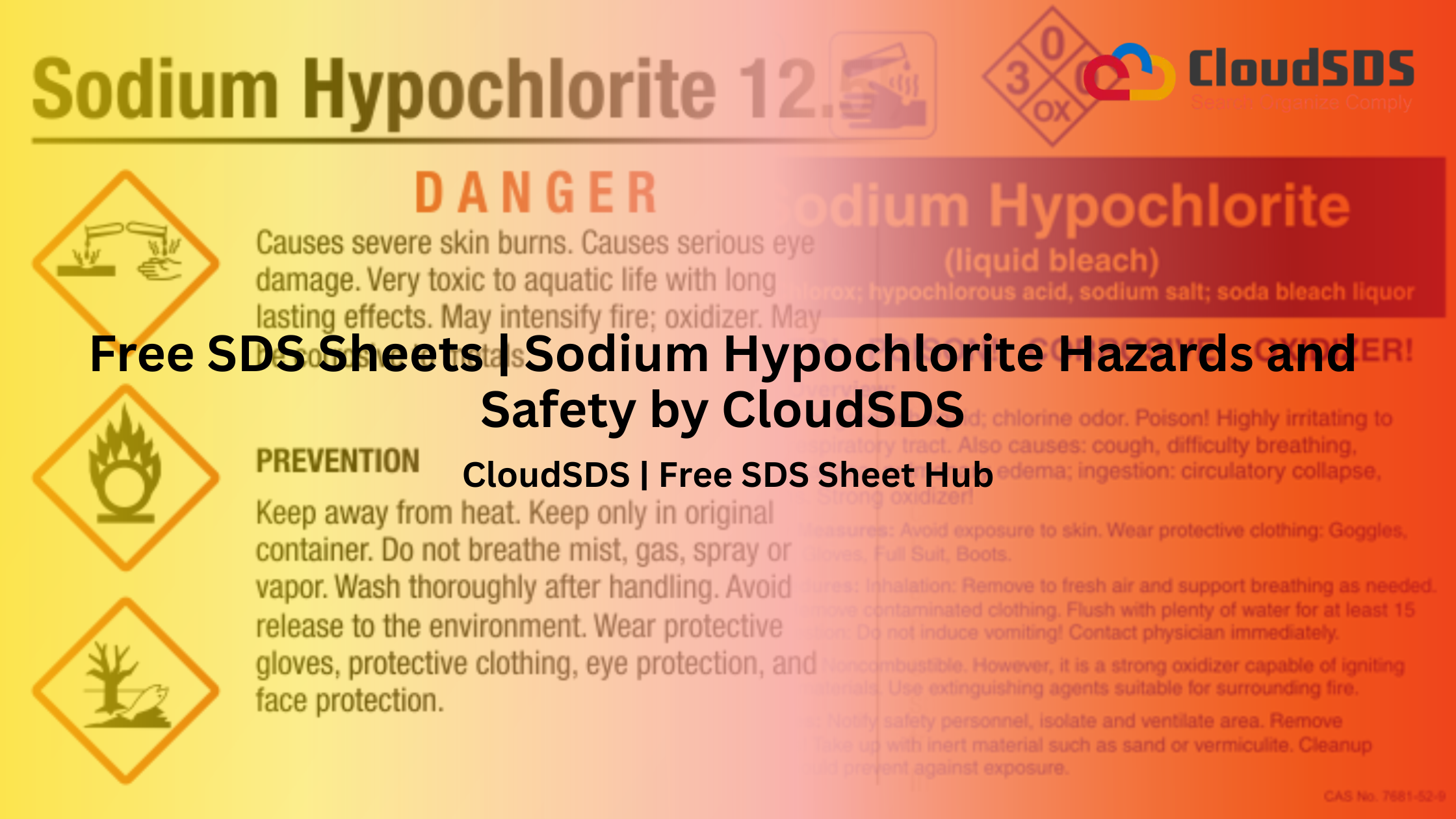
Sodium hypochlorite is known for its powerful disinfection, sanitizing, and bleaching characteristics. This compound is commonly referred to as bleach or liquid chlorine and is utilized extensively in homes, hospitals, water treatment plants, food processing companies, and industrial cleaning applications. Sodium hypochlorite is an important disinfectant since it may kill bacteria, viruses, fungus and other dangerous microbes. As to the Sodium Hypochlorite SDS, the CAS number of the chemical is 7681-52-9 and the UN number is 1791. It is generally classified as caustic, dangerous to the environment, and potentially harmful to health if mishandled under the GHS.
Chemical & Physical Properties of Sodium Hypochlorite
Sodium hypochlorite is a chemical compound extensively used as a disinfectant, bleaching agent, and water treatment chemical. It is usually a pale greenish-yellow liquid with a strong chlorine-like odor. It has the chemical formula NaOCl . It is very soluble in water. The nature of sodium hypochlorite is alkaline with pH between 11 and 13. It is unstable to heat, sunshine, acids, or organic compounds and may degrade to give out chlorine gas. It is non-flammable but is a potent oxidizer that may react violently with incompatible compounds under certain conditions.
Chemical Formula (NaOCl)
Sodium, Oxygen, and Chlorine are the main components of the Sodium Hypochlorite (NaOCL) chemical formula. This molecule is found mainly in the liquid state and is highly reactive due to its oxidizing nature. Solutions of sodium hypochlorite have a light yellow to yellowish green color with a strong chlorine-like odor.
Concentration Ranges (Industrial vs Domestic)
The amount of sodium hypochlorite present varies depending on the application.
- Domestic bleach solutions generally contain 3 to 8% sodium hypochlorite. They are used mainly for cleaning, disinfection, and washing.
- Solutions of industrial-grade sodium hypochlorite typically contain 10 to 15% sodium hypochlorite. These high-power solutions are located in water. treatment of plants. chemical production plants, food processing firms, and large-scale sanitation activities.
Alkalinity & pH
Sodium hypochlorite is a highly alkaline chemical. Its pH is normally from 11 to 13, dependent on the formulation and concentration. Alkalinity helps to keep the solution stable and increase its disinfectant capability.
Because of this strong alkaline nature:
- It may cause severe skin and eye irritation or burns.
- It may violently react with acidic substances.
- The concentrated solutions should be handled with the appropriate PPE, such as gloves and eye protection.
Sodium hypochlorite is not as chemically stable as many other industrial chemicals. The solution degrades slowly over time, particularly if exposed to adverse conditions.
- Important stability characteristics are
- More stable storage at lower temperatures.
- Exposure to sunlight and heat reduces stability.
- Metal contamination can hasten decomposition.
- Industrial solutions gradually lose concentration during storage.
Therefore, the facilities should monitor the concentration levels regularly and store the chemical properly in corrosion resistant containers.
Decomposition Factors
Sodium hypochlorite can degrade rapidly under a number of environmental and chemical conditions.
Common decomposition factors include:
The usual factors of decomposition are
- Heat exposure.
- In direct sunlight.
- Acid touch.
- Heavy metal exposure.
- Organic matter contamination.
- Storage is under poor conditions.
The decomposition of sodium hypochlorite can produce dangerous chlorine gas and oxygen. Mixing bleach with acidic cleaners or ammonia-based products is particularly dangerous because it can create toxic fumes, which can be harmful to workers and occupants.
Employers that use sodium hypochlorite need to carefully follow OSHA hazard communication and chemical storage requirements to minimize the risk of decomposition and chemical reactions.
Chemical Behavior of Sodium Hypochlorite
It is very important for organizations, labs, and workplaces that routinely work with this hazardous compound to understand the chemical behavior of sodium hypochlorite. Sodium hypochlorite is a highly reactive chemical, and improper handling or storage can result in dangerous chemical reactions, release of toxic gases, fire hazards, or injuries on the job. It is therefore necessary to keep workers informed of the behavior of this chemical in different environmental and chemical situations.
Decomposition Over Time
Sodium hypochlorite degrades over time naturally and even faster if stored in less-than-ideal conditions. Finally, this disintegration makes the remedy less efficient.
- Extreme heat.
- Sunlight or ultraviolet rays.
- Air exposure.
- Metal Contamination.
- Interaction with contaminants.
Sodium hypochlorite can be decomposed to sodium chlorate, Sodium Chloride, and oxygen. In poorly ventilated storage systems, this process can also lead to an increase in interior container pressure.
Due to this instability
- Facilities store it in cool, shaded places.
- Containers must be kept securely closed.
- Older stock should be rotated on a regular basis.
- Storage tanks should be corrosion resistant.
Industrial establishments frequently check concentration levels periodically to verify product performance and safety in the workplace.
Reaction with Acids (Chlorine Gas Release)
The reaction of sodium hypochlorite with acids is one of the most hazardous chemical reactions. Bleach can release very poisonous chlorine gas if it comes into touch with acidic substances.
For example,
- Hydrochloric acid and bleach.
- Mixing bleach and toilet bowl cleansers.
- Contact with acidic industrial waste.
- These reactions can quickly produce chlorine gas, a yellow-green gas with a strong suffocating stench.
These reactions can rapidly produce chlorine gas, which appears as a yellow-green gas with a strong choking odor.
Health Effects of Chlorine Gas Exposure
Exposure to chlorine gas may cause the following:
- Severe respiratory irritation
- Chest pain
- Coughing and choking
- Eye irritation
- Pulmonary edema in severe cases
Even short-term exposure in confined areas can become life-threatening. That is why OSHA
Reaction with Ammonia (Toxic Chloramines)
Sodium hypochlorite also interacts violently with compounds containing ammonia. This process produces poisonous chloramine gas.
Common sources of ammonia exposure include
- Cleaning products for the home.
- Industrial degreasers.
- Urine pollution in toilet facilities.
- Chemicals for agriculture.
Mixing sodium hypochlorite with ammonia can result in major health effects as they produce chloramines.
Health Risks of Chloramine Exposure
Exposure may result in:
- Difficulty breathing.
- Eye and throat irritation.
- Nausea.
- Irritation of the lungs.
- Headaches.
Higher amounts of exposure can lead to serious respiratory problems, especially in environments with poor ventilation.
This is why using bleach with ammonia-based cleaning products is dangerous.
Oxidizing Properties
Sodium hypochlorite is considered a powerful oxidizer. This means it can be reactive aggressively with flammable, reducing, or organic compounds.
Its oxidizing characteristics enable it to
- Kills microorganisms.
- Stain removers.
- Decompose organic contaminants.
- Paper products and fabrics with bleach.
But these same capabilities can also be dangerous when the chemical is combined with unsuitable materials.
Risks Associated with Oxidizing Behavior
- Corrosion of metal
- Explosive chemical reactions
- Emission of hazardous gases
- Destruction of biological substances
Since it is an oxidizing agent, sodium hypochlorite must always be stored away from the following:
- Acids.
- Ammonia (NH₃).
- Organic solvents.
- Agents that are reduced.
- Dismissible items.
Workplace safety and OSHA HazCom need proper segregation and labeling and employee training.
Uses & Applications of Sodium Hypochlorite
Sodium hypochlorite is one of the most extensively used bleaching and disinfection chemicals in the world. It is used in enterprises and households for sanitation, purification, and cleaning purposes due to its strong oxidizing and anti-microbial qualities. Some of the key applications of this chemical in several fields are as follows:
Household Cleaning & Disinfection
Sodium hypochlorite is a chemical that is often used in household bleach solutions to clean and disinfect surfaces. It helps eliminate stains, mold, germs, fungi, and viruses in bathrooms, kitchens, laundry rooms, and floors. Since it is a powerful germ killer, many household cleaning products contain a diluted solution of sodium hypochlorite.
Water Treatment (Drinking Water)
Sodium hypochlorite is also used for disinfection of drinking water supplies in regular drinking water treatment plants. It’s great for killing dangerous microbes such as bacteria, viruses, and algae. This technique makes sure that the water is safe for human consumption and reduces the chances of infections that are spread by water.
Swimming Pool Sanitation
Swimming pools require adequate cleanliness to prevent microbiological infestation. So the pool water is treated with sodium hypochlorite to keep chlorine levels high and kill hazardous germs. It also helps to control the growth of algae and leads to better overall water hygiene.
Industrial Bleaching
Sodium hypochlorite is used in several sectors as a bleaching agent. Textile producers use it to whiten clothes, while the paper and pulp industries use it to bleach paper products. It is also used in industrial laundry systems and cleaning operations requiring stain removal and whitening.
Health Hazards of Sodium Hypochlorite
Sodium hypochlorite is a good disinfectant; however, exposure to sodium hypochlorite can pose major health concerns. Hence, the workers handling this chemical should be properly trained in danger of communication and should adopt suitable safety precautions.
Irritation to Skin & Eyes
Sodium hypochlorite can produce severe irritation or chemical burns on direct contact.
Skin Contact:
- Redness
- Burning feeling
- Irritation to Skin
Chemical burns in concentrated solution
Eye Exposure:
- Strong, irritating
- Pain and Swelling
- Double vision.
- Potential damage to eyes
- If contact occurs with the eyes, rinse immediately with water.
Immediate flushing with water is necessary after exposure.
Respiratory Irritation
Inhalation of sodium hypochlorite vapor or mist may irritate the respiratory tract.
Common symptoms include:
- Cough.
- Irritation of my throat.
- Difficulty with breathing.
- Chest pain.
Respiratory exposure is more likely to occur in inadequately ventilated working conditions.
Toxic Gas Exposure Risks
One of the greatest hazards of sodium hypochlorite is the unintended release of toxic gases.
Dangerous Reactions Include:
- Mixtures with acids –> chlorine gas evolved
- Mixing with ammonia -> release of chloramine gas
Inhaling these gases can lead to serious respiratory injury and may be fatal in confined spaces.
Acute vs Chronic Effects
Acute Effects:
Short-term exposure can lead to:
- Burns of the skin.
- Eyes Irritant.
- Difficulty breathing.
- Nausea and cough.
Chronic Effects:
Repeated or prolonged exposure may lead to:
- Chronic irritation of the respiratory tract.
- Sensitive skin.
- Dental erosion in selected occupational settings.
- Chronic irritation of the throat.
First Aid Measures
Sodium hypochlorite exposure requires immediate emergency treatment.
Eye/Skin Rinse Procedures
Eye Contact:
Victims should cleanse their eyes with clean water for at least 15 minutes and seek medical assistance.
Skin Contact:
The exposed area of the victims should be washed thoroughly with soap and water. They must take off infected garments promptly.
Inhalation Treatment
Inhalation of harmful gases or vapors:
- Get the person outside right away.
- Keep the person breathing comfortably.
- If symptoms continue, visit the doctor.
- Very high exposure may require oxygen or emergency medical treatment.
Ingestion Response
If ingested:
- Don't make them vomit.
- Rinse your mouth with water.
- If the victim is conscious, it is important to give them tiny amounts of water to drink.
- Call the doctor right away.
Storage & Shelf Life
In case of inappropriate storage, Sodium hypochlorite can lose effectiveness and become a safety problem.
Proper Storage Temperature
Sodium hypochlorite should be stored in cool places, preferably below room temperature if possible.
Photo-Sensitivity
- This chemical is highly susceptible to sunshine and UV radiation. Direct sunlight will very quickly break down the sodium hypochlorite and reduce the chlorine concentration.
- Hence containers should be kept away from direct sunlight.
Shelf-Life Degradation
Sodium hypochlorite will naturally break down and lose its potency over time. It occurs due by several situations:
- Heat exposure.
- Exposure to air.
- Metal contamination.
- Focus levels.
Industrial solutions tend to break down faster than diluted household bleach.
Container Compatibility
Generally compatible materials include:
Sodium hypochlorite is corrosive and must be handled safely.
- HDPE Plastic
- PVC.
- Glass-reinforced materials.
- Decomposition may be hastened by a rusting metal container.
Regulatory & Compliance
There are a number of workplace safety requirements concerning the handling and labeling of sodium hypochlorite.
GHS Hazard Categories
Skin Corrosion/Irritation:
- Eye damage – Serious
- Toxicity to Aquatic Organisms
- Corrosive to Metals
- OSHA Labels
OSHA Labeling
OSHA requires that chemicals be properly labeled with:
- Product ID
- Hazard symbols
- Warning words
- Precautionary statements
- Manufacturer information
- Proper labeling helps the workers to detect hazards early.
SDS Requirements
Under OSHA's Hazard Communication Standard, companies must retain current Safety Data Sheets (SDS) for hazardous substances, including sodium hypochlorite.
The SDS must include:
- Identification of hazards.
- Instructions for safe handling.
- Emergency response methods.
- Exposure control.
- Information on toxicology.
Environmental Impact
An inappropriate disposal method of sodium hypochlorite can harm the environment.
Effects on Aquatic Life
Sodium hypochlorite is hazardous to aquatic life. Large releases into rivers, lakes, or drainage systems can harm fish and aquatic ecosystems.
Chlorine Release Concerns
Decomposition of sodium hypochlorite and reaction with acids can release compounds containing chlorine to the environment. Excessive chlorine can impact water quality and air safety.
Disposal Methods
Dispose of compliance with local, state, and federal rules.
Recommended disposal practices:
- Do not discharge directly into rivers.
- Neutralize solutions when possible.
- Approved hazardous waste disposal facilities.
- Follow EPA and local guidelines.
Proper disposal practices decrease environmental contamination and workplace liability.
Conclusion
Having a correct and updated Material Safety Data Sheet (MSDS) for sodium hypochlorite is essential for workplace safety, compliance with regulations, and environmental protection. Since this chemical is used widely in water treatment, healthcare, industrial bleaching, sanitation, and cleaning activities, it is important for workers to be aware of the hazards, handling, storage and emergency response procedures for this chemical. OSHA compliant labeling, availability of SDS, the use of PPE, and safe disposal methods minimize the danger of chemical burns, toxic gas exposures, and environmental contamination. All facilities using sodium hypochlorite should therefore stress employee training and hazard communication procedures to create a safer and compliant work environment.
Simplify Your SDS Management
CloudSDS gives your team instant access to 23M+ safety data sheets with AI-powered search, automated updates, and full OSHA/GHS compliance — all from one platform.
Leave A Comment